Asbestos Removal for De Vlaamse Waterweg in Boom
Published June 29, 2026
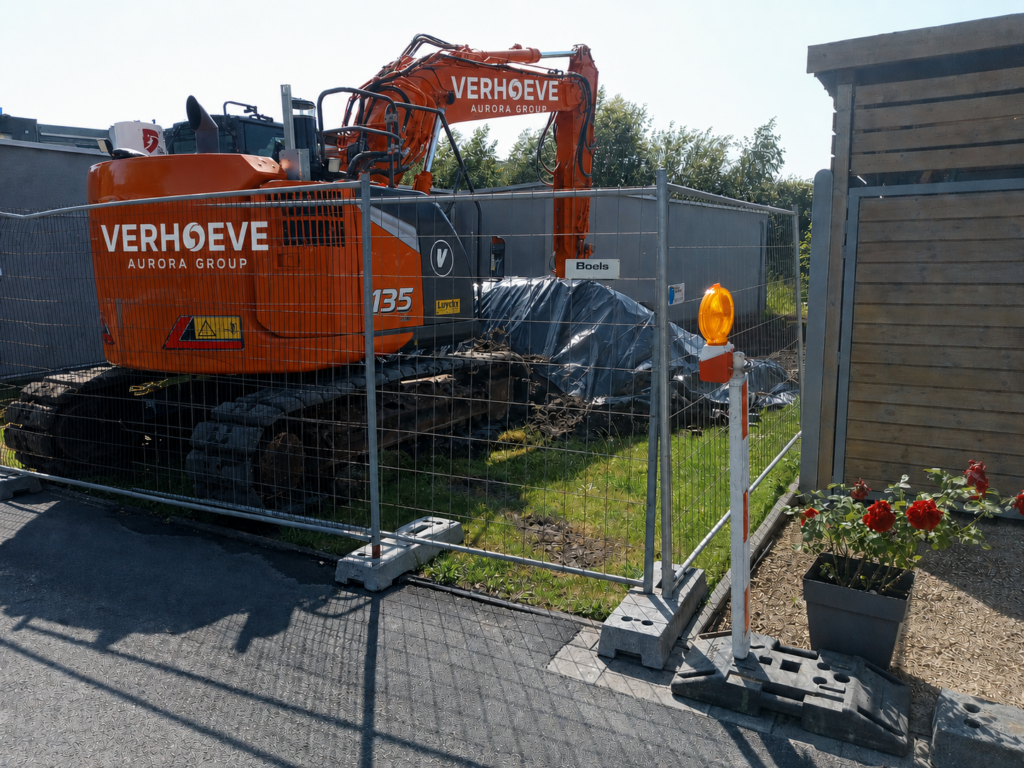
Verhoeve Belgium carried out asbestos removal at a De Vlaamse Waterweg site in Boom. The work took place on a narrow side street within the built-up area, a location with limited access and little room to maneuver.
This method falls under the category of “simple operations,” as defined in Belgian asbestos regulations. These regulations were recently tightened by the Royal Decree of December 19, 2025, which transposes a European directive into national law and, among other things, introduces a lower exposure limit for asbestos. Companies that use this technique must demonstrate, through air measurements conducted by an accredited laboratory, that the asbestos concentration in the air remains below the permitted limit. Read more here about the amendments to the asbestos regulations.
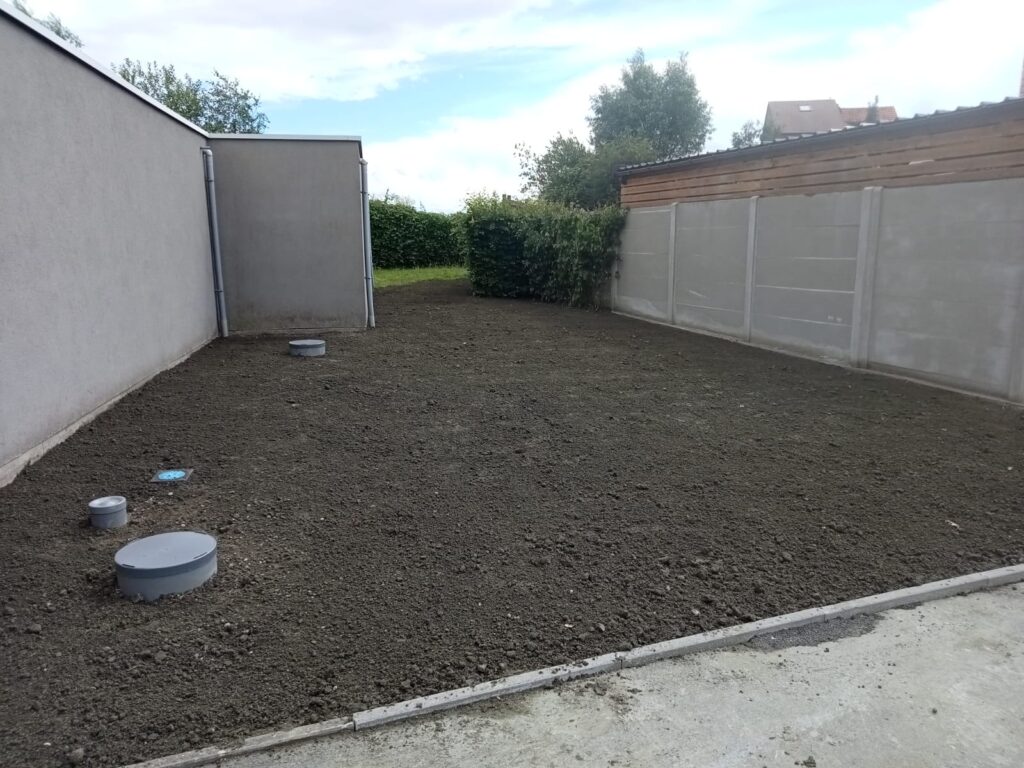
After excavating to a depth of 50 cm below ground level, the contaminated soil was safely removed. To ensure a clear separation between clean and contaminated soil, a geotextile was installed, after which the area was backfilled and seeded.
In preparation for the next phase, Verhoeve also installed access pipes during the backfilling process. This will allow the engineering firm to easily install monitoring wells and injection filters at a later date for further monitoring and remediation of the site.
The project demonstrates how Verhoeve Belgium carries out complex remediation work at hard-to-reach locations efficiently and in compliance with applicable regulations.