Asbestos Removal for De Vlaamse Waterweg in Boom

Published June 29, 2026

Verhoeve Belgium carried out asbestos removal at a De Vlaamse Waterweg site in Boom. The work took place on a narrow side street within the built-up area, a location with limited access and little room to maneuver.

This method falls under the category of “simple operations,” as defined in Belgian asbestos regulations. These regulations were recently tightened by the Royal Decree of December 19, 2025, which transposes a European directive into national law and, among other things, introduces a lower exposure limit for asbestos. Companies that use this technique must demonstrate, through air measurements conducted by an accredited laboratory, that the asbestos concentration in the air remains below the permitted limit. Read more here about the amendments to the asbestos regulations.

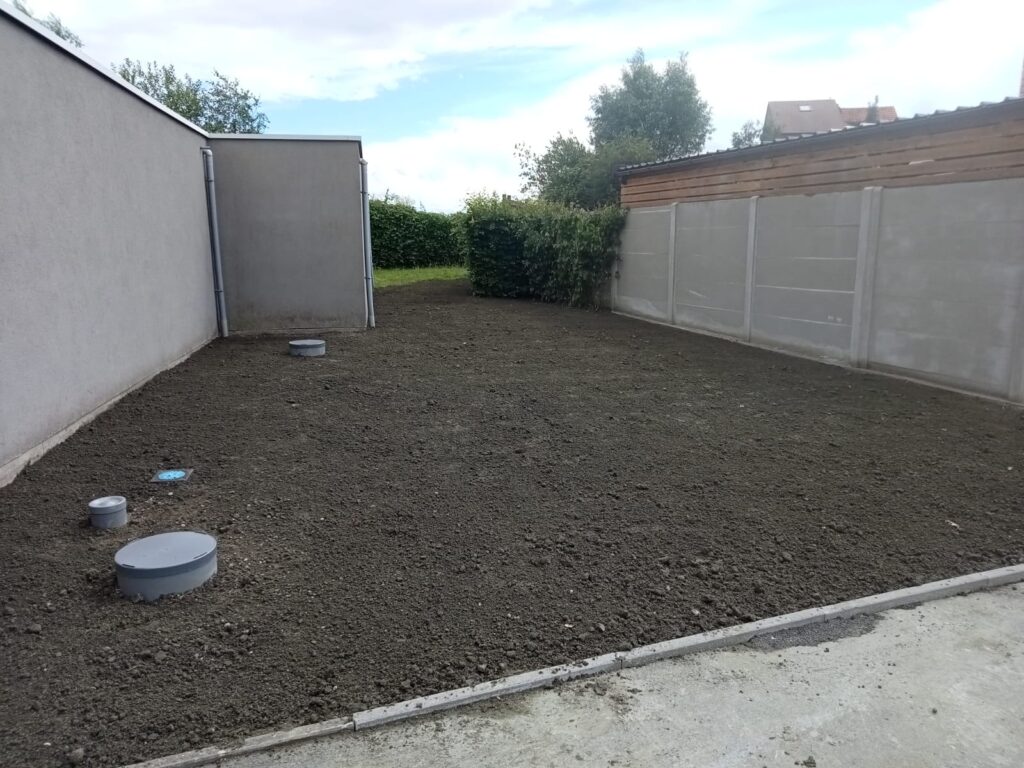
After excavating to a depth of 50 cm below ground level, the contaminated soil was safely removed. To ensure a clear separation between clean and contaminated soil, a geotextile was installed, after which the area was backfilled and seeded.

In preparation for the next phase, Verhoeve also installed access pipes during the backfilling process. This will allow the engineering firm to easily install monitoring wells and injection filters at a later date for further monitoring and remediation of the site.

The project demonstrates how Verhoeve Belgium carries out complex remediation work at hard-to-reach locations efficiently and in compliance with applicable regulations.
Soil Remediation at the Former Pumping Station for Garage van Humbeeck

Published June 29, 2026

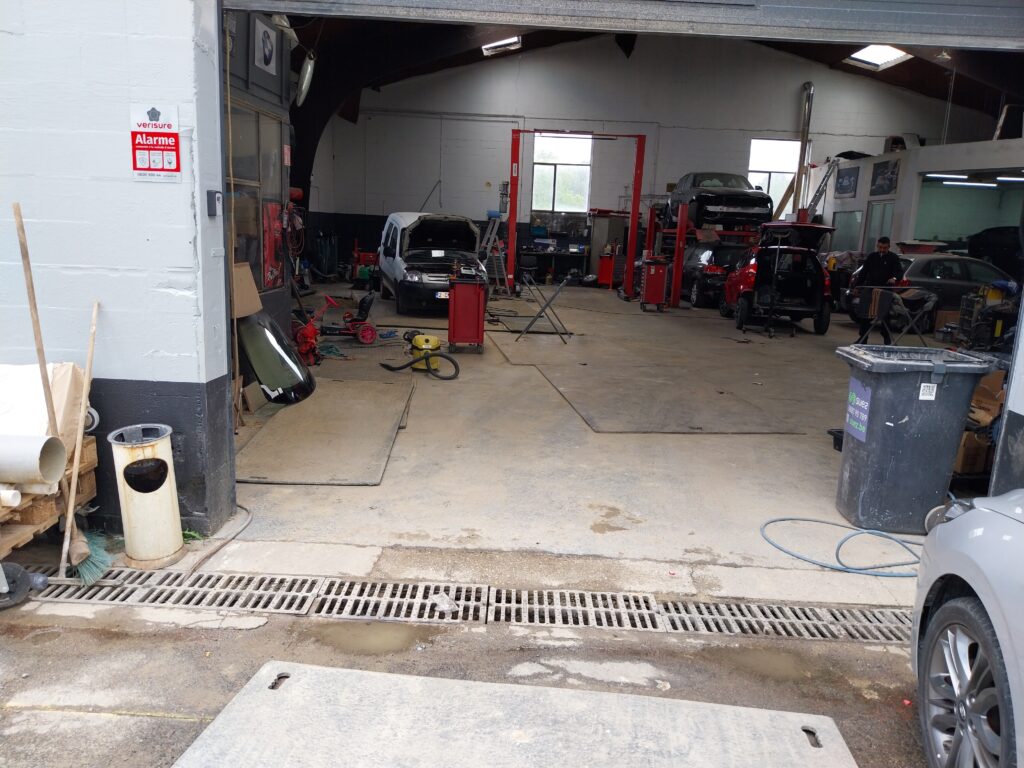
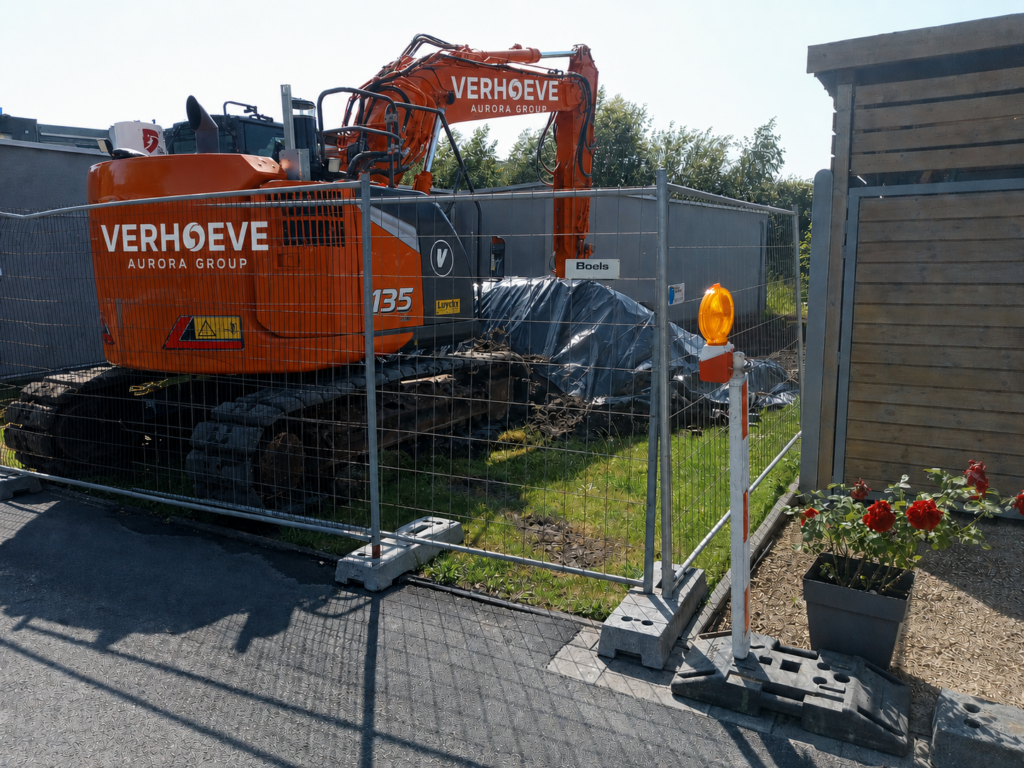
In consultation with the experts at Envirosoil, Verhoeve is currently carrying out soil remediation at a former pumping station in Merchtem, on private property where Garage Van Humbeeck is now in operation. The contamination involves gasoline, which is being addressed using multi-phase extraction (MFE).

The construction phase has been completed. A total of 22 filters, which serve as extraction wells, were installed to a depth of 7 m below ground level using flush drilling, 9 of which are located inside the garage. After installation, all filters were finished underground, and the piping was routed to a single central point, where the system will be commissioned as soon as conditions permit. The recently poured concrete floor and the street, which is currently closed due to roadwork, make it impossible to deploy the truck-mounted crane at this time.

The system consists of an MFE unit with downstream water and air treatment (OWAS + activated carbon). Connection, testing, and commissioning are scheduled for week 29 (the week of July 13). The estimated duration of the remediation is 1 year.

All civil engineering work was carried out while the garage was still in operation. It was therefore important to keep disruption to a minimum so that the garage could continue to operate normally. Thanks to ongoing and constructive consultation, the process went very smoothly, and everything was installed to everyone’s satisfaction.

Minister Jo Brouns visited a soil remediation site operated by Verhoeve Belgium

Published May 30, 2026

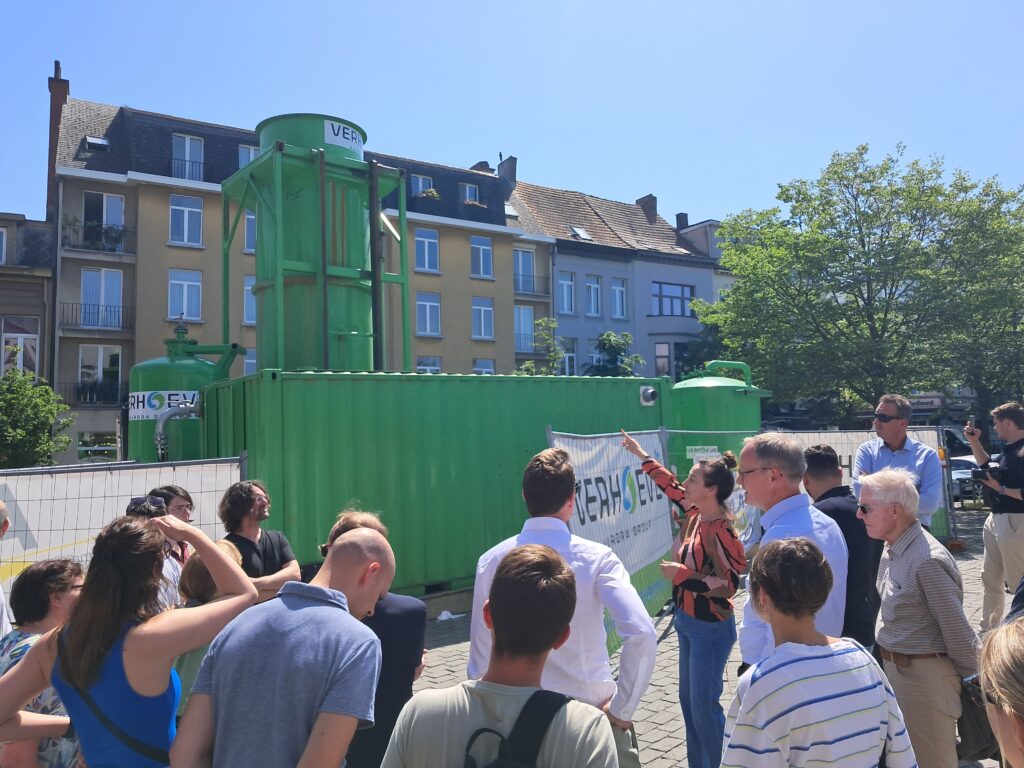
Antwerp – On Thursday, May 28, 2026, Flemish Minister of Environment and Agriculture Jo Brouns visited an active soil remediation facility operated by Verhoeve, commissioned by Vlabotex, on Sint-Jansplein in Antwerp-North. During this visit, Vlabotex and its stakeholders provided the minister with a clear explanation of the challenges of soil remediation in urban environments and of the unique collaboration between the government, the industry, and technical experts that is helping to address historical environmental problems in Flanders and thereby prepare sites for a sustainable future.

A shared challenge and a collaborative approach

In Flanders, historical soil contamination dating back to past activities involving the use of solvents has been identified at various locations. This contamination is often not visible, but it can have an impact on the quality of soil, groundwater, and indoor air in urban environments.

Due to their properties, these substances can spread over greater depths and distances, making soil investigations and remediation technically complex and financially demanding. For individual property owners or businesses—often SMEs—such projects are difficult to undertake on their own.

Against this backdrop, the textile care sector has made an explicit commitment to take responsibility and actively contribute to solutions through the establishment of an industry fund. Thanks to this fund, which is supported by the government, the necessary soil investigations and remediation efforts become financially feasible for the parties involved.

About Vlabotex: Expertise and Solidarity in Action

Vlabotex vzw is the Flemish soil remediation fund for the textile care sector and was recognized by the Flemish Government in 2007. The fund brings together the sector’s resources in a solidarity-based model, combining industry contributions with government support to address historical contamination in a structural, efficient, and coordinated manner. This collective approach makes it possible to tackle issues that are often unfeasible to address individually.

Vlabotex has extensive expertise in solvent contamination and applies that knowledge to conduct targeted and cost-effective soil investigations and remediation projects. As a result, complex projects become not only technically manageable but also financially feasible.

Today, more than 200 sites across Flanders are included in the fund, with the clear goal of completing their remediation in a sustainable and responsible manner by 2036. The remediation consists of groundwater pumping combined with soil vapor extraction. Verhoeve installed dozens of filters under complex conditions (a basement with limited working height), after which the piping was routed underground to Sint-Jansplein.

Want to redevelop contaminated land for real estate without financial risk? Verhoeve Project Participatie makes it possible

Published May 28, 2026

Contaminated soil and redevelopment don’t naturally go hand in hand. The costs are uncertain, the risks are complex, and the timeline is unpredictable. That’s exactly where Verhoeve Project Participatie (VPP), a sister company of Verhoeve Nederland, comes in.

What is Verhoeve Project Participation?

VPP is a specialized partner for owners of contaminated properties looking to pursue redevelopment. That sounds easier than it is. Anyone seeking to transform a contaminated site into residential housing, commercial buildings, or public space quickly faces a host of uncertainties: what exactly is in the soil, how much will remediation cost, and who bears the risk?

VPP combines technical expertise in soil contamination with financial expertise in real estate development. This enables us to conduct a comprehensive assessment of a site and map out a realistic development plan.

What exactly does VPP do?

Depending on the situation and stage of the project, VPP offers support in several areas:

  • Quick assessments of contamination risks to quickly gain insight into the current situation
  • Identifying development opportunities in relation to soil contamination
  • Preparing cost estimates for remediation and redevelopment
  • Risk buyout (partial or full), so that the project initiator is not left with an open-ended commitment
  • Guiding grant applications to make the best use of funding
  • Risk-bearing participation in development projects, in which VPP actively partners with the project

That is what makes VPP unique. It goes beyond mere advice. As a partner, VPP can participate in a development project using its own capital and assuming the associated risk. This builds trust and speeds up decision-making.

Who is VPP relevant for?

VPP works with a wide range of stakeholders dealing with contaminated real estate:

  • Owners of industrial or agricultural real estate facing a remediation challenge
  • Municipalities and government agencies with contaminated inner-city sites
  • Real estate developers who want to acquire a site but want to manage the environmental risk
  • Companies that want to relocate or sell or redevelop their properties

What all these situations have in common is that soil contamination is standing in the way of progress. VPP clears that obstacle.

The power of the combination

VPP is part of the Aurora Group, just like Verhoeve Nederland. This offers a significant advantage: soil remediation, demolition work, and infrastructure projects can be tackled as an integrated whole. Short lines of communication, shared expertise, and a single point of contact for a comprehensive process. For complex sites involving multiple disciplines, this isn’t a luxury—it’s essential for ensuring a smooth turnaround time.

Are you interested in exploring the redevelopment of a contaminated site? Check out the options at www.verhoeveprojects.com.

Intersnack Netherlands and Verhoeve Netherlands are joining forces as part of the "Work Safely" initiative

Published May 29, 2026

Intersnack Netherlands produces nut butters, including peanut butter, and processed nuts for various snacks at its facility in Doetinchem. Since 2022, Verhoeve Netherlands has been treating the wastewater generated by the facility using a complex water treatment plant before discharging it into the municipal sewer system. Verhoeve performs weekly maintenance on the plant. In addition, major maintenance on the entire plant is carried out several times a year.

Safe workplace

Intersnack and Verhoeve place a high priority on a safe workplace. Earlier this year, the Health, Safety, and Environment (HSE) managers from both companies got together to assess whether their respective operations still align with the safety standards set by both companies. The goal was to ensure that safety measures are implemented in a pragmatic way on the shop floor so that they are actually put into practice. The most important result is that employees are aware of each other’s risks and take the necessary actions to bring them down to an acceptable level. Communication and coordination among all parties regarding this during preparation, execution, and completion make all the difference.

Wastewater treatment

Chemicals are used to treat wastewater. The wastewater buffer tank is cleaned in a so-called “confined space.” This work must be performed competently and carefully in accordance with established procedures. However, the overlap with food safety and the HSE aspects of Intersnack’s production process during minor and major maintenance also requires close coordination.

Workplace agreements are set out in a joint health and safety plan. The goal is not to create a mere formality, but rather to provide a clear framework to support us amid the ever-changing dynamics of the workplace. How can we ensure that we work safely together and that every employee returns home safely each evening?

Production Process Safety

The sessions held have led to the development of a joint Health and Safety Plan (H&S) that, for once, does not focus on the safety of each company’s individual staff, but takes a comprehensive approach. What impact does the execution of maintenance work have on safety—both for Intersnack’s production process (including its employees) and for Verhoeve? And how can we ensure that we work safely together and that every employee returns home safely at the end of the day?

It was agreed that the session we held was not a one-time event. In addition to acting in accordance with what we agreed upon and documented, it is also important to monitor, evaluate, and make adjustments as needed, so that we all keep safety and safe working practices firmly in mind.

PFAS laboratory testing: building blocks for a full-scale design

Published May 1, 2026

Over the past few months, Verhoeve has conducted various laboratory tests for PFAS removal for several clients at its testing facility in Dordrecht. These tests include:

  • Column tests using activated carbon;
  • Resin column testing;
  • Foam fractionation testing.

Column tests

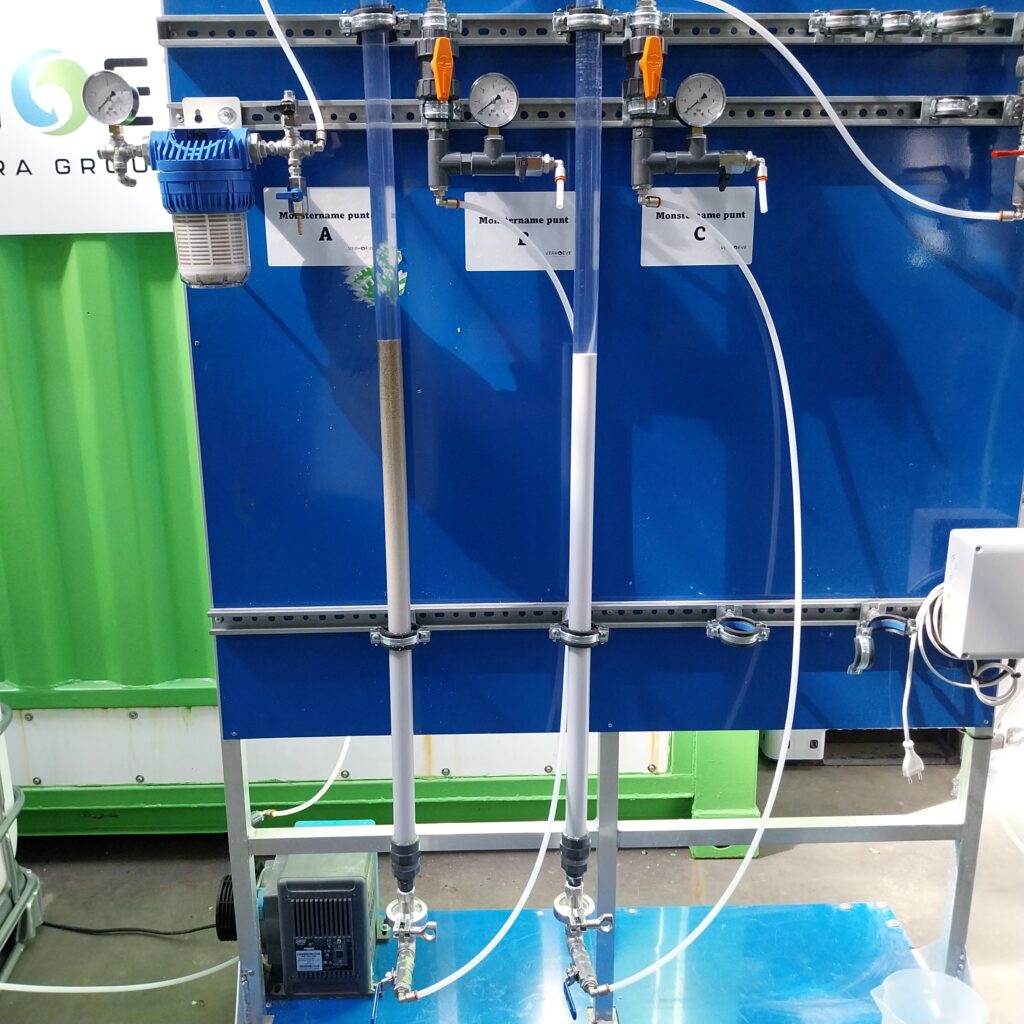
In column tests using activated carbon and resin, the contaminated water is passed over the column containing the adsorption medium at a constant flow rate. In this process, the PFAS are adsorbed onto the medium, with initial recovery rates of up to 100%. The clean water is collected. By regularly analyzing the influent and effluent for PFAS and other parameters, we determine the adsorption efficiency and the breakthrough point. Significant differences in adsorption occur between short-chain and long-chain PFAS. See Figure 1.

Process

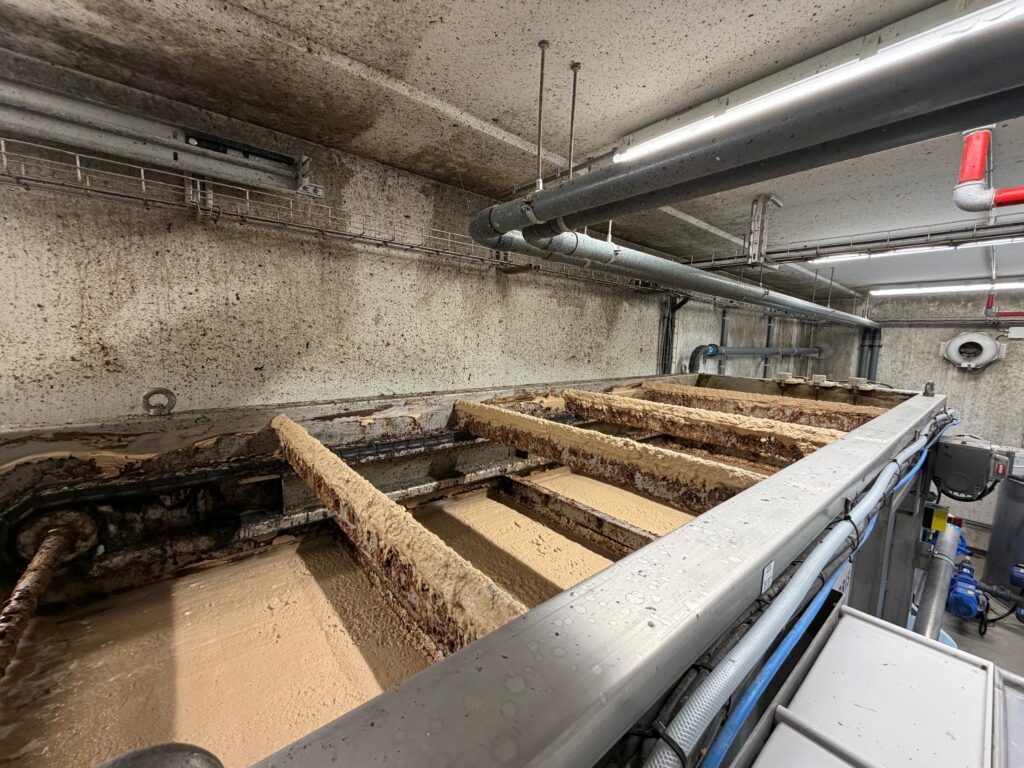
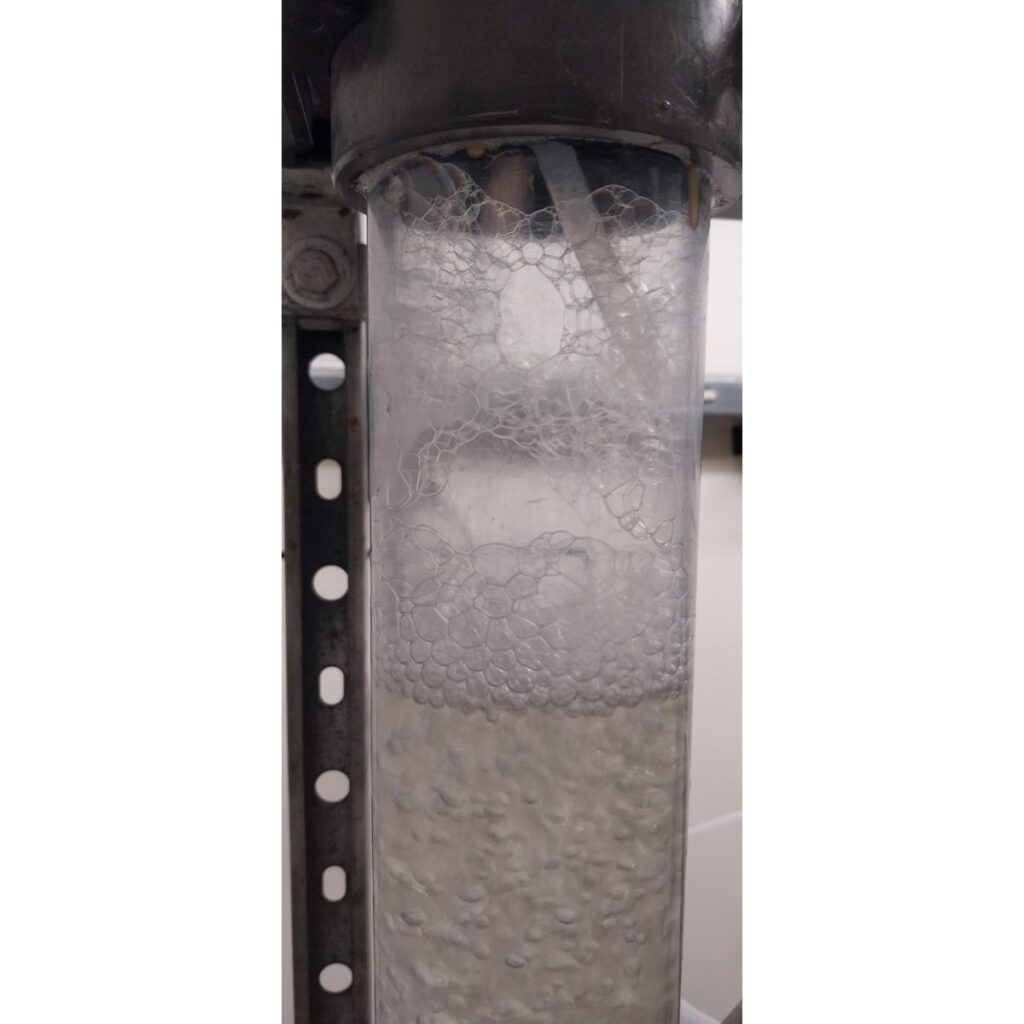
In foam fractionation, we aerate the PFAS-containing water with fine bubbles, causing PFAS foam to form. This foam is separated and collected separately. After the test, two liquid streams remain: one concentrate stream derived from the foam with high concentrations of PFAS, and one permeate stream from which the bulk of the PFAS has been removed. There are also significant differences between individual PFAS compounds. For long-chain PFAS, removal rates of over 95% have been demonstrated. An advantage of the foam fractionation process is that the bulk of the contamination can be concentrated into a small volume for further treatment. The permeate, which contains few PFAS, only slightly burdens any downstream activated sludge and resin, thereby extending their service life. In photo 2, you can see the foam formed during a foam fractionation test.

The column tests using activated carbon/resin and the foam fractionation tests provide valuable insights into the applicability and achievable removal efficiencies for specific PFAS-containing water streams. As such, they serve as important building blocks in the design of PFAS water treatment systems.

Column test setup with resin

Foam formed during foam fractionation

Custom work delivered by Verhoeve in a cramped basement in Berchem

Published February 17, 2026

In 2019, a large-scale in-situ remediation project was launched in a former laundry facility in Berchem on behalf of Vlabotex, based on in-situ chemical oxidation (ISCO) and soil vapour extraction (BLE).

Core remediation

During this soil remediation, the site underwent a complete redevelopment, which required a great deal of interaction/consultation with the client/contractor.

Despite good communication and coordination, our experience in such projects and the flexibility required in their execution proved essential to the successful completion of this exciting assignment: the internal relocation of installations and piping, the addition of filters, and/or their underground finishing.

The redevelopment has now been completed and the core renovation has also been finalized. It was not an easy process, but ultimately both projects were successfully completed.

Feather cleaning

After the core remediation, the plume remediation follows, which consists of two phases, namely: Soil vapor extraction (SVE) and stimulated biological anaerobic degradation.

First phase: Soil vapor extraction (SVE)

In the first phase, the BLE filters were installed. In total, soil air will be extracted at 66 filters. However, this is a densely populated inner-city area of Antwerp, which made it difficult to find a suitable location for all the remediation equipment (due to space and noise considerations).

After much searching, a suitable basement was found, albeit with limited space and access, and all the piping was brought in here.

Second phase: Stimulated biological anaerobic degradation

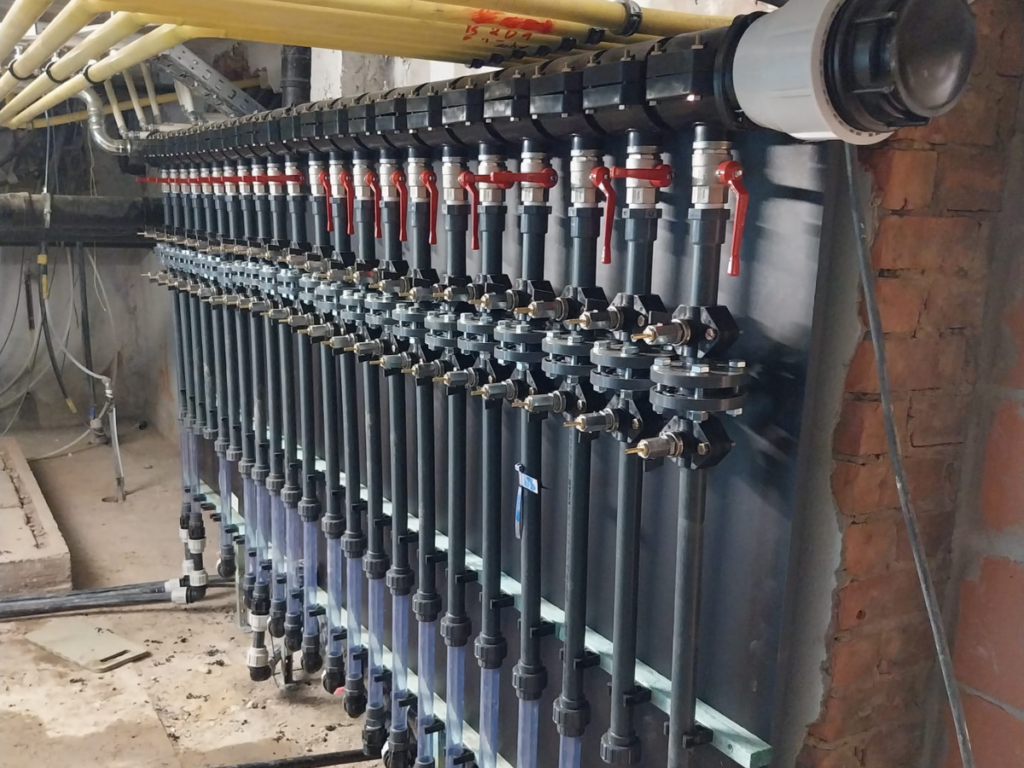
Subsequently, virtually the entire BLE installation was custom-built here: manifolds for 66 filters, including air-water separators, discharge pumps, and blowers.

The extracted soil air is then transported outside to be purified via the activated carbon filters. These components are located outside the building to facilitate any carbon changes.

Installation of fine bubble aeration for municipal wastewater treatment Aquafin

Published February 14, 2026

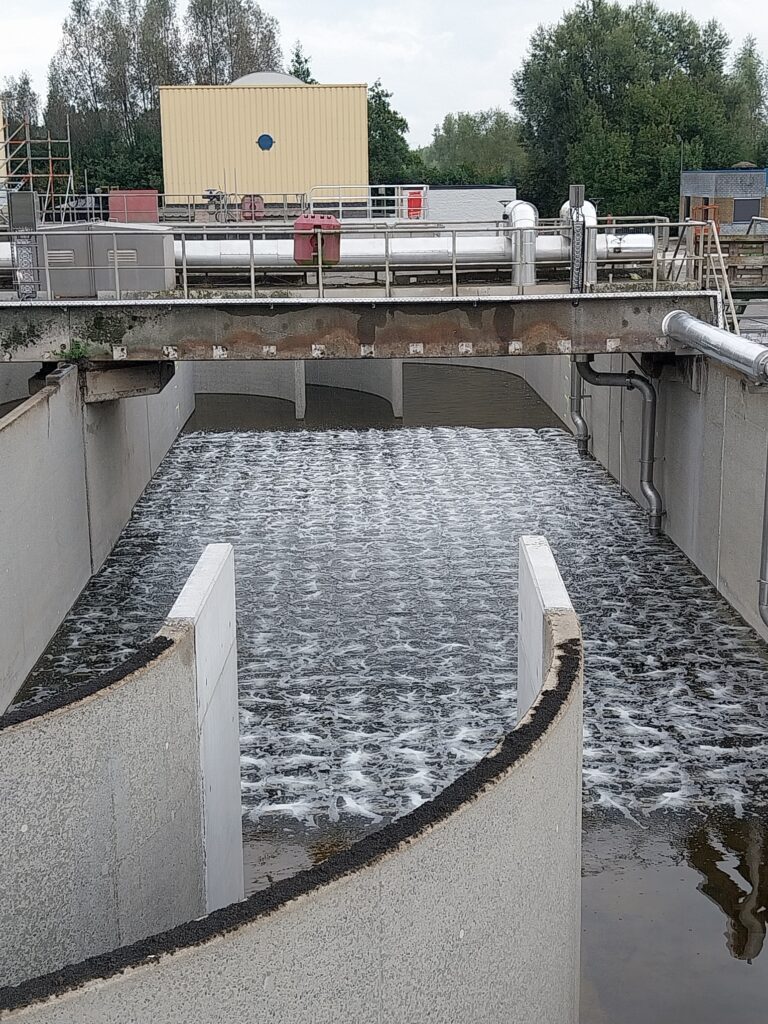
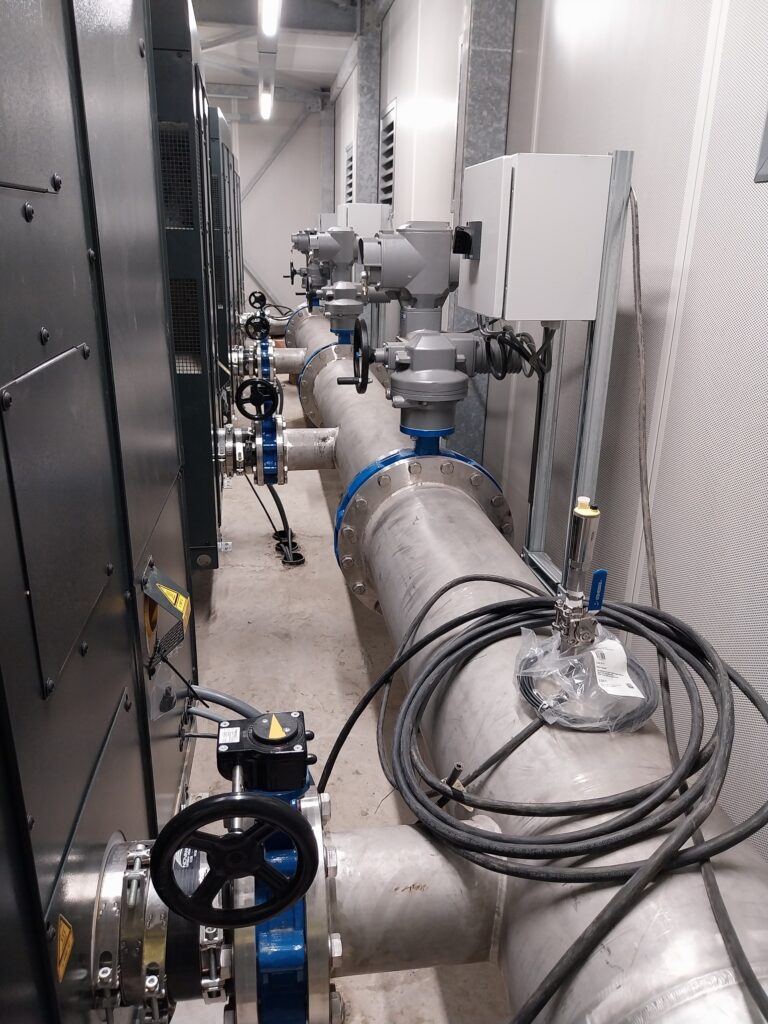
An important part of the Evergem sewage treatment plant: introducing oxygen into the water flow to be treated in order to create optimal decomposition conditions. Verhoeve Belgium carried out this assignment as an integrated and general contract involving various disciplines!

In 2022, Verhoeve Belgie BV was commissioned by Aquafin to construct a new fine bubble aeration system in Evergem. The commission included the supply and installation of:

  • Propellers/mixers with accessories
  • Fine bubble aeration and accessories
  • Surpressor installation including all kinds of above-ground and underground pipes

Project completion phase

After starting preparations at the end of 2022, we are now in the final phase of this Aquafin project. This project was divided into three different lots: architecture, electromechanics, and the installation of fine bubble aeration.

Our work involved installing a blower building, installing the piping, the Aumas and the surpressors, and of course the aeration fields.

After extensive testing and measurements, we are now in the final phase and the work will be completed in March.

Verhoeve gets to work for Promaz in the forests of Zoersel

Published February 12, 2026

Soil remediation is not limited to urban environments. The soil in our natural areas also needs to be cleaned up. Verhoeve Belgium is currently carrying out soil remediation work for Promaz in the forests of Zoersel. The fund was set up specifically to carry out soil remediation work on sites with (former) fuel oil tanks.

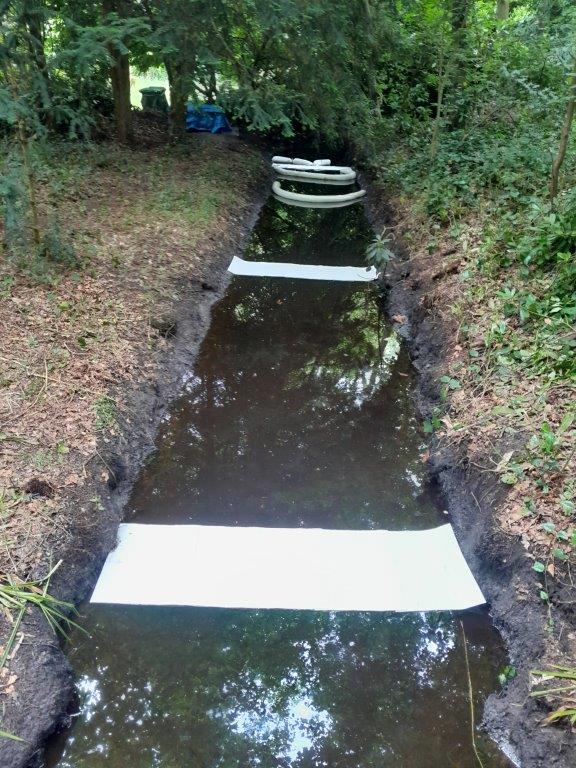
In 2022, a gasoline odor was detected near the moat located on the site. The fuel oil was then collected as much as possible using adsorbent socks and stored in barrels. In 2024, Verhoeve van Promaz was commissioned to pump out the moat.

Removal of underground fuel oil tank

In 2025, Verhoeve was commissioned to remove an underground fuel oil tank. Maximum excavation of the contamination will be carried out while preserving the house. The excavation work will be carried out under a safe embankment and by means of piecemeal excavation at the level of the house.

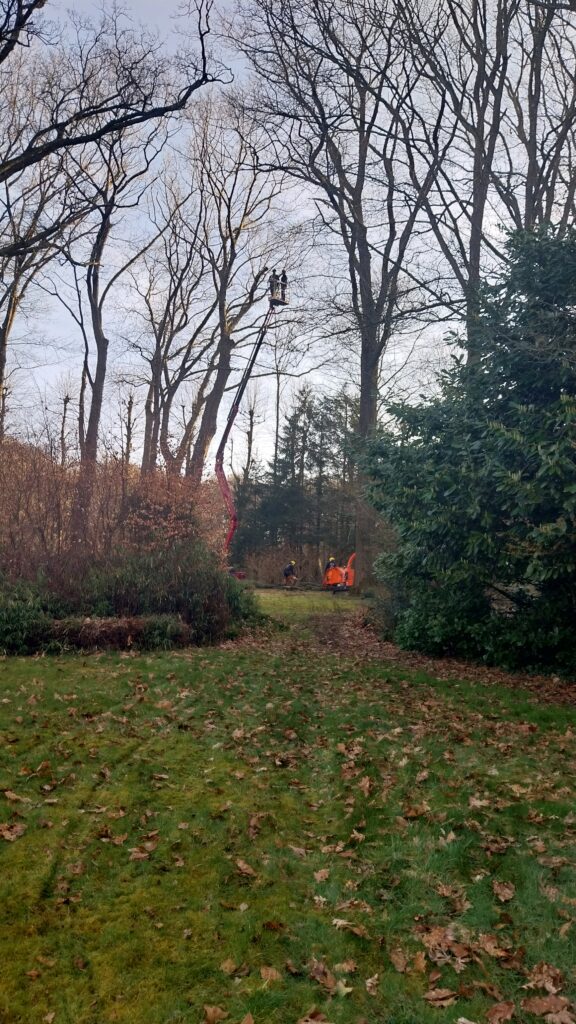
The ecological conditions also affect the client and contractor: Before the breeding season (April 1, 2025), we started cutting down four large trees to make the excavation zone accessible. The actual remediation work started in May 2025.

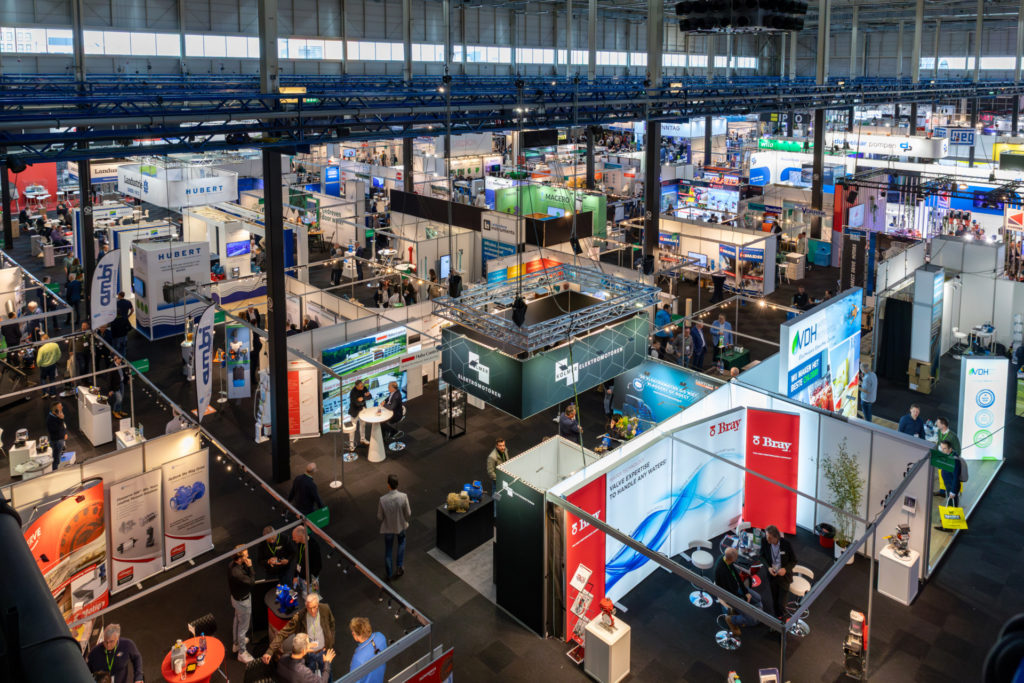
Let’s Meet at Aqua Nederland on March 17, 18, and 19 in Gorinchem

Published January 27, 2026

The future of water management

From March 17 to 19, Aqua Nederland will take place at Evenementenhal Gorinchem: the national trade fair where the entire water chain comes together. Professionals from wastewater, drinking water, process water, and urban water management meet here to share knowledge, discover innovations, and discuss solutions to current water challenges.

With 300 exhibitors, 90 knowledge partners, and thousands of trade visitors, Aqua Nederland is the platform for everyone involved in water management, treatment, and technology. In addition to the exhibition floor, the event offers an extensive knowledge program with inspiring presentations, practical cases, and current topics such as water quality.

Why Aqua Nederland is interesting for you

A visit to Aqua Nederland means:

  • Be up to date with the latest developments in the water sector in just one day
  • Gain practical knowledge and insights that can be directly applied in your organization
  • Engaging in discussions with experts and suppliers about specific issues
  • Discover new ideas and solutions for disinfection, industrial process water, and PFAS challenges

We will also be present at Aqua Nederland. At our booth, we will be happy to discuss how innovative water solutions contribute to efficient, safe, and sustainable water management. Meet us at booth number B12 and receive the latest updates on our disinfection techniques, our approach to industrial process water, and our solutions for PFAS!

📍 Gorinchem Event Hall
📅 March 17–19, 2026