Custom work delivered by Verhoeve in a cramped basement in Berchem

Published February 17, 2026

In 2019, a large-scale in-situ remediation project was launched in a former laundry facility in Berchem on behalf of Vlabotex, based on in-situ chemical oxidation (ISCO) and soil vapour extraction (BLE).

Core remediation

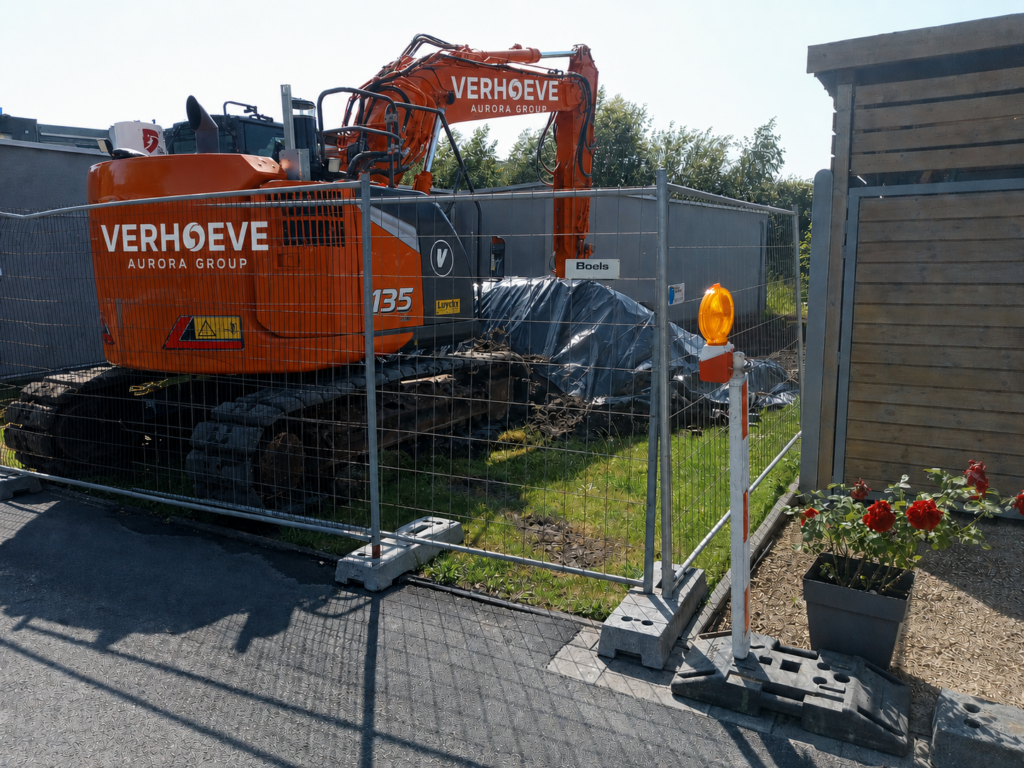
During this soil remediation, the site underwent a complete redevelopment, which required a great deal of interaction/consultation with the client/contractor.

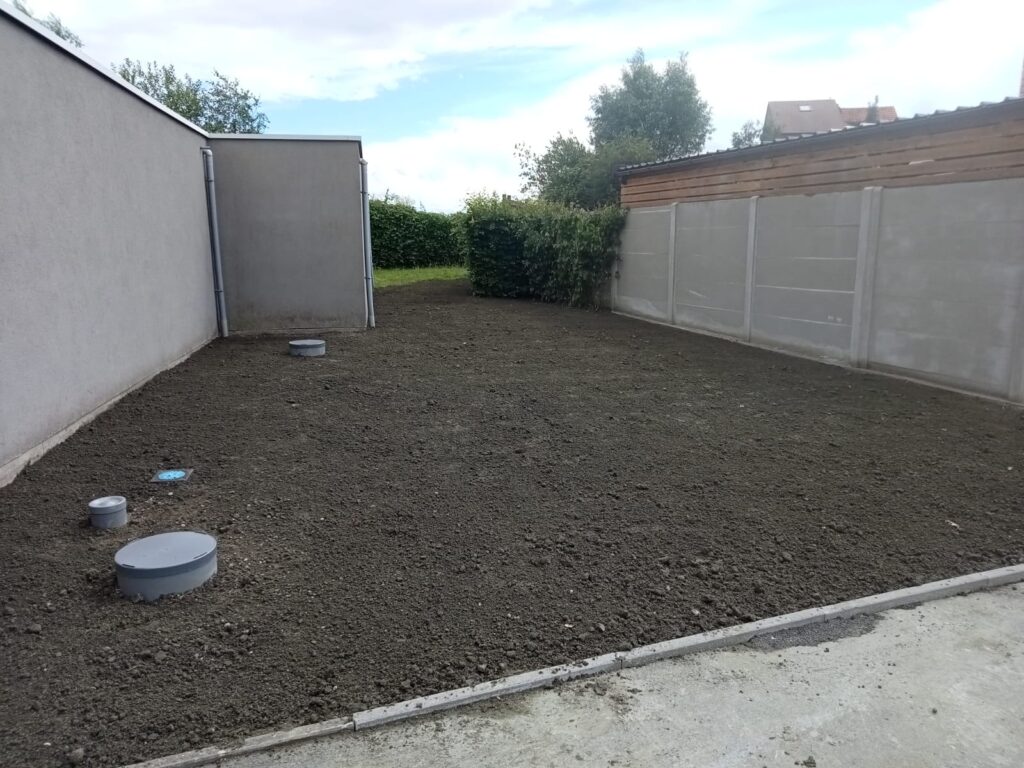
Despite good communication and coordination, our experience in such projects and the flexibility required in their execution proved essential to the successful completion of this exciting assignment: the internal relocation of installations and piping, the addition of filters, and/or their underground finishing.

The redevelopment has now been completed and the core renovation has also been finalized. It was not an easy process, but ultimately both projects were successfully completed.

Feather cleaning

After the core remediation, the plume remediation follows, which consists of two phases, namely: Soil vapor extraction (SVE) and stimulated biological anaerobic degradation.

First phase: Soil vapor extraction (SVE)

In the first phase, the BLE filters were installed. In total, soil air will be extracted at 66 filters. However, this is a densely populated inner-city area of Antwerp, which made it difficult to find a suitable location for all the remediation equipment (due to space and noise considerations).

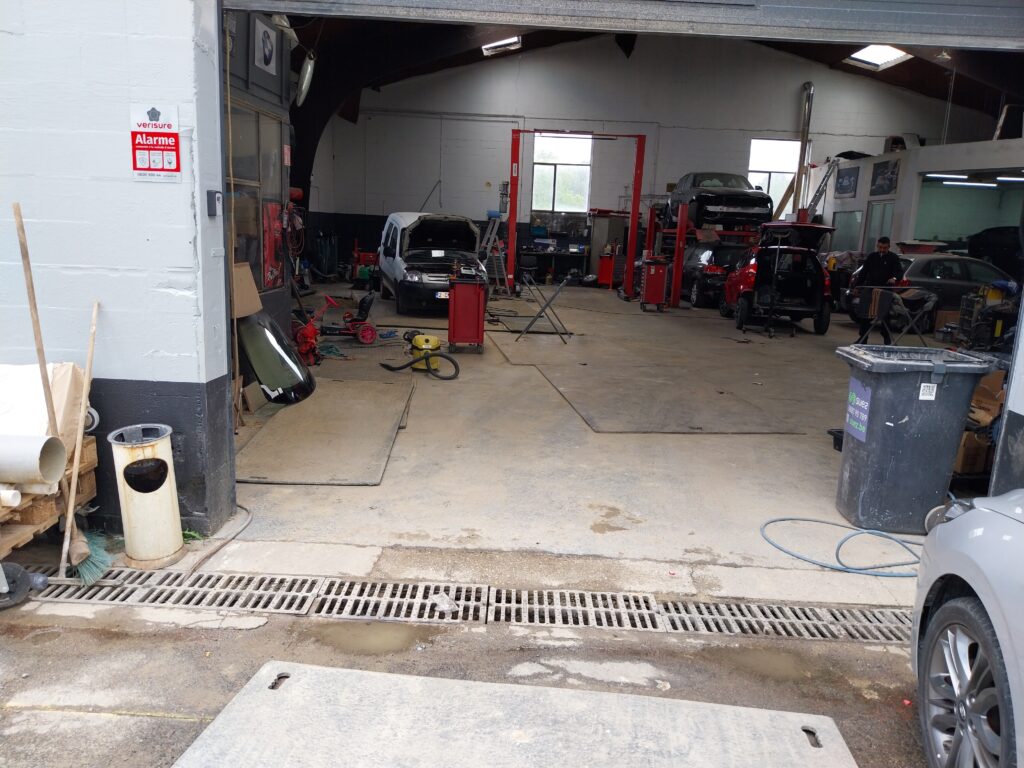
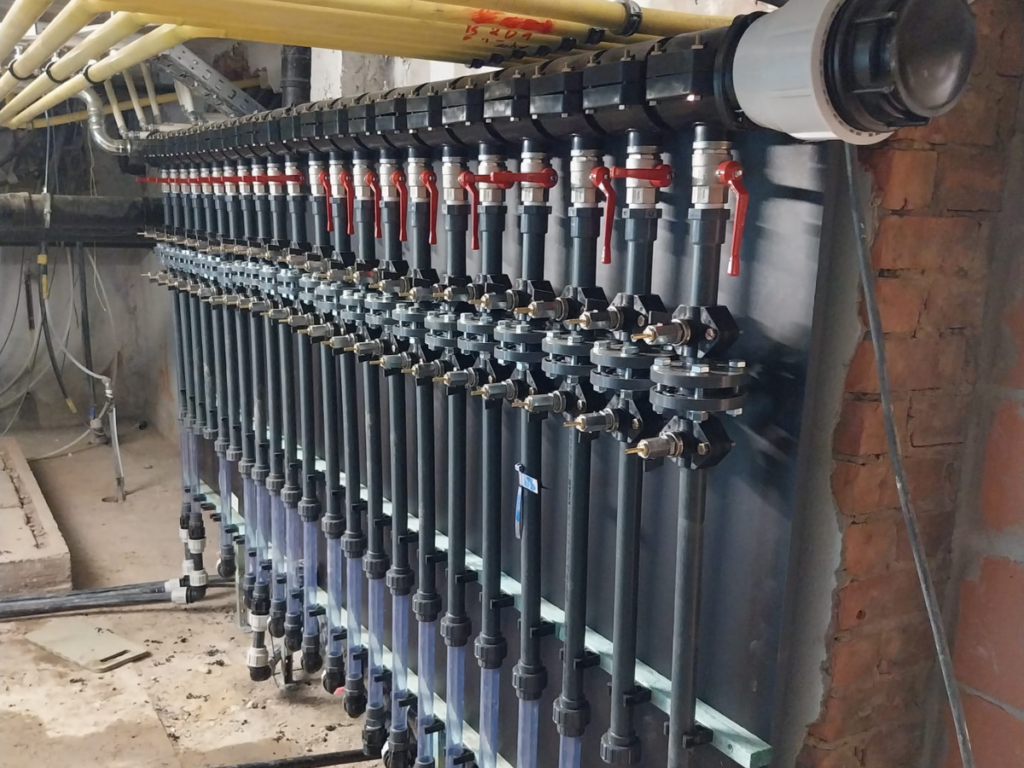
After much searching, a suitable basement was found, albeit with limited space and access, and all the piping was brought in here.

Second phase: Stimulated biological anaerobic degradation

Subsequently, virtually the entire BLE installation was custom-built here: manifolds for 66 filters, including air-water separators, discharge pumps, and blowers.

The extracted soil air is then transported outside to be purified via the activated carbon filters. These components are located outside the building to facilitate any carbon changes.

Installation of fine bubble aeration for municipal wastewater treatment Aquafin

Published February 14, 2026

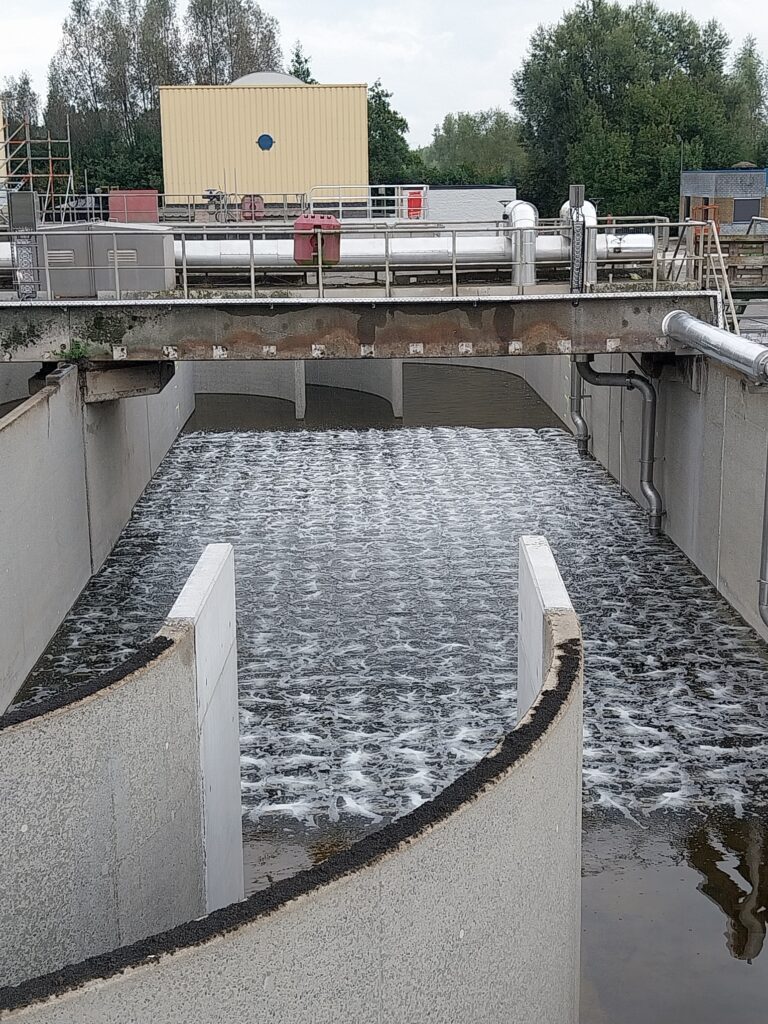
An important part of the Evergem sewage treatment plant: introducing oxygen into the water flow to be treated in order to create optimal decomposition conditions. Verhoeve Belgium carried out this assignment as an integrated and general contract involving various disciplines!

In 2022, Verhoeve Belgie BV was commissioned by Aquafin to construct a new fine bubble aeration system in Evergem. The commission included the supply and installation of:

  • Propellers/mixers with accessories
  • Fine bubble aeration and accessories
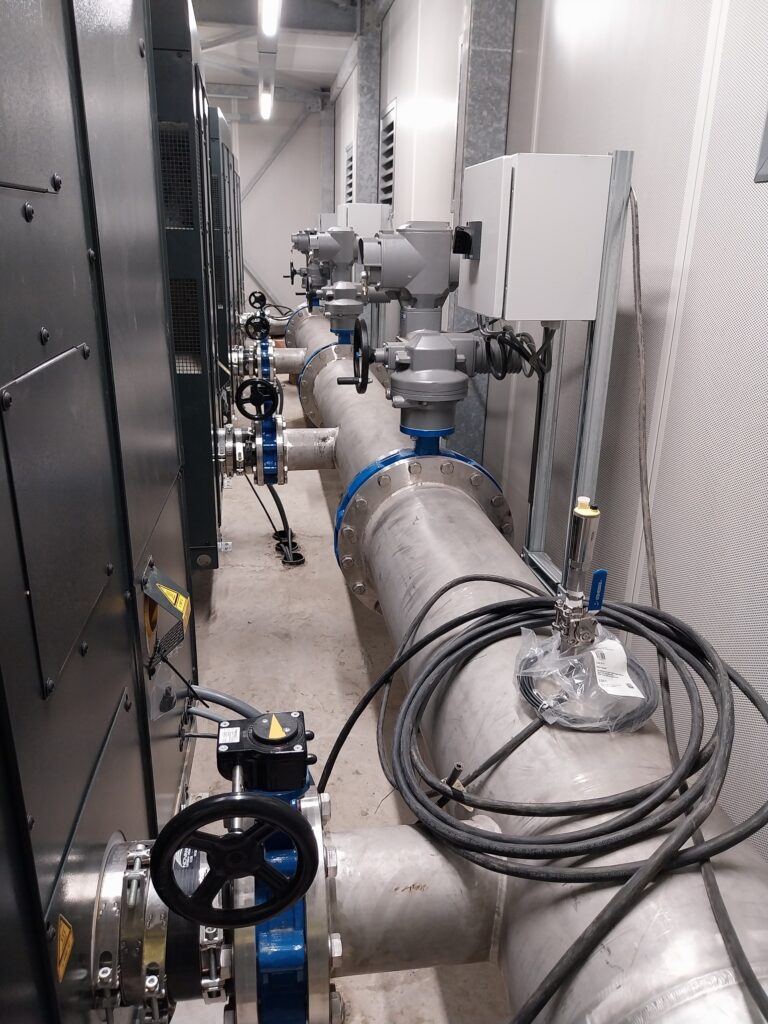
  • Surpressor installation including all kinds of above-ground and underground pipes

Project completion phase

After starting preparations at the end of 2022, we are now in the final phase of this Aquafin project. This project was divided into three different lots: architecture, electromechanics, and the installation of fine bubble aeration.

Our work involved installing a blower building, installing the piping, the Aumas and the surpressors, and of course the aeration fields.

After extensive testing and measurements, we are now in the final phase and the work will be completed in March.

Verhoeve gets to work for Promaz in the forests of Zoersel

Published February 12, 2026

Soil remediation is not limited to urban environments. The soil in our natural areas also needs to be cleaned up. Verhoeve Belgium is currently carrying out soil remediation work for Promaz in the forests of Zoersel. The fund was set up specifically to carry out soil remediation work on sites with (former) fuel oil tanks.

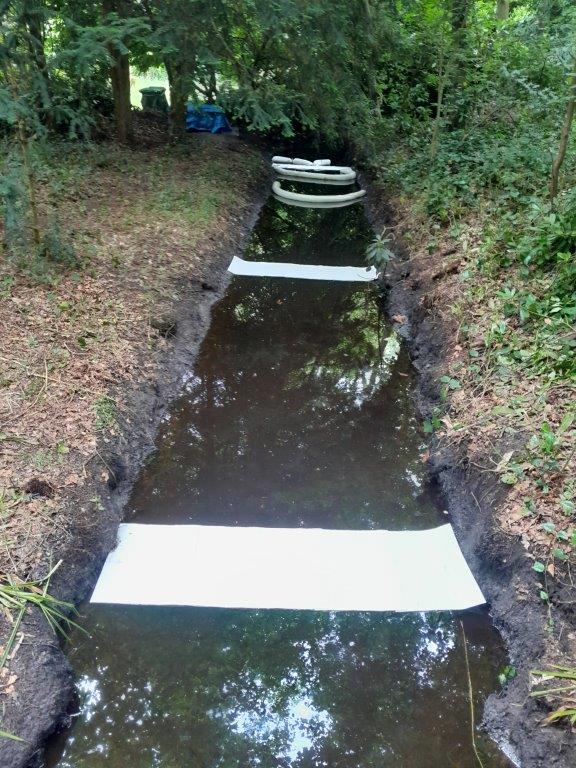
In 2022, a gasoline odor was detected near the moat located on the site. The fuel oil was then collected as much as possible using adsorbent socks and stored in barrels. In 2024, Verhoeve van Promaz was commissioned to pump out the moat.

Removal of underground fuel oil tank

In 2025, Verhoeve was commissioned to remove an underground fuel oil tank. Maximum excavation of the contamination will be carried out while preserving the house. The excavation work will be carried out under a safe embankment and by means of piecemeal excavation at the level of the house.

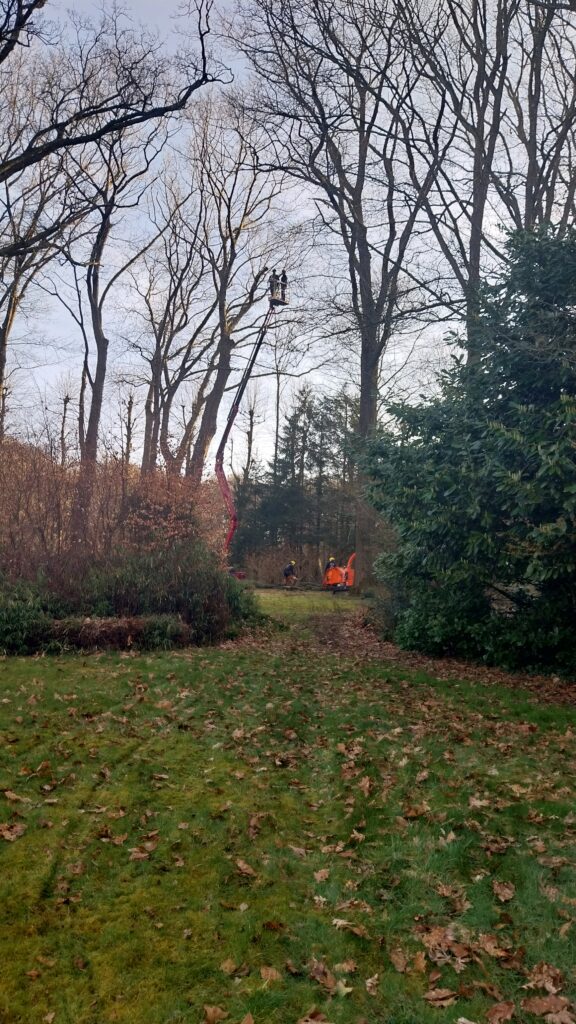
The ecological conditions also affect the client and contractor: Before the breeding season (April 1, 2025), we started cutting down four large trees to make the excavation zone accessible. The actual remediation work started in May 2025.

Let’s Meet at Aqua Nederland on March 17, 18, and 19 in Gorinchem

Published January 27, 2026

The future of water management

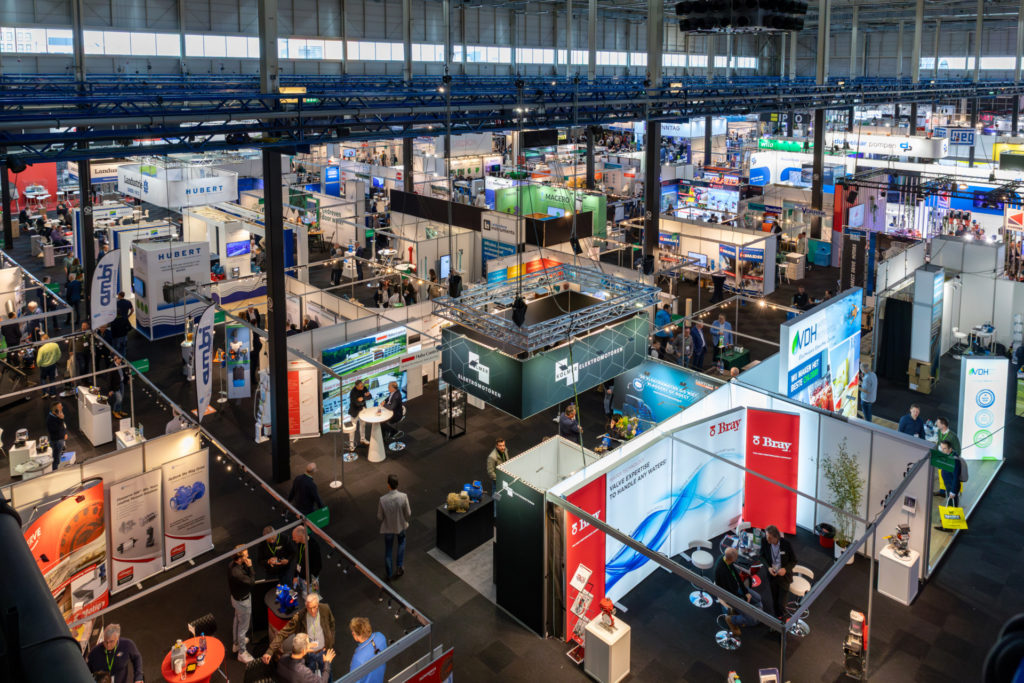
From March 17 to 19, Aqua Nederland will take place at Evenementenhal Gorinchem: the national trade fair where the entire water chain comes together. Professionals from wastewater, drinking water, process water, and urban water management meet here to share knowledge, discover innovations, and discuss solutions to current water challenges.

With 300 exhibitors, 90 knowledge partners, and thousands of trade visitors, Aqua Nederland is the platform for everyone involved in water management, treatment, and technology. In addition to the exhibition floor, the event offers an extensive knowledge program with inspiring presentations, practical cases, and current topics such as water quality.

Why Aqua Nederland is interesting for you

A visit to Aqua Nederland means:

  • Be up to date with the latest developments in the water sector in just one day
  • Gain practical knowledge and insights that can be directly applied in your organization
  • Engaging in discussions with experts and suppliers about specific issues
  • Discover new ideas and solutions for disinfection, industrial process water, and PFAS challenges

We will also be present at Aqua Nederland. At our booth, we will be happy to discuss how innovative water solutions contribute to efficient, safe, and sustainable water management. Meet us at booth number B12 and receive the latest updates on our disinfection techniques, our approach to industrial process water, and our solutions for PFAS!

📍 Gorinchem Event Hall
📅 March 17–19, 2026

On-site soil remediation in North Brabant

Published January 27, 2026

In the past, the site mainly produced chemical products, powders, and metal wire. These served as semi-finished products for lamps, fluorescent tubes, and picture tubes.

Contamination situation

Soil testing shows that both the soil and groundwater are contaminated with metals, including molybdenum, cadmium, and zinc. The contamination is mainly found in the top half meter of the soil, with peaks of up to 6 meters below ground level.

From request and quotation to implementation

The work basically involves excavating and transporting approximately 16,900 m³ / 27,000 tons of contaminated soil to the cleaner, in combination with the necessary wellpoint drainage and purification. A significant part of the financial risk lies in the disposal of the soil. In order to obtain more certainty and to better identify the risks, the client carried out additional soil investigations during the tendering process.

As a result, the tendering process took quite some time. The client put the request out to tender privately on multiple occasions. Ultimately, Verhoeve emerged as the best bidder and the agreement was signed on October 30.

The implementation

Work commenced fairly quickly after the agreement was signed. During the execution of the work, the client also carried out additional soil investigations. This resulted in smaller excavation contours than originally planned, meaning that less contaminated soil had to be transported to the cleaner. This resulted in considerable savings for the client.

Sewer system

There are various sewers on site that need to be removed. This includes part of the sewer that contains asbestos, which we have removed in accordance with the applicable regulations.

Planning

In the first week of December, the drainage system was installed and the groundwater purification system was delivered and mobilized. The work will be completed in January.

Soil remediation at Eindhoven site by Verhoeve Nederland

Published January 27, 2026

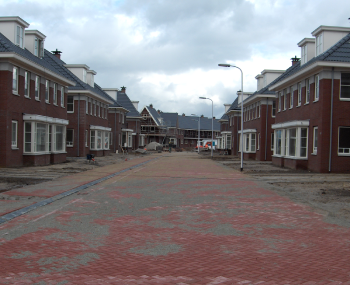
The site is located in an inner-city area in Eindhoven that is undergoing extensive redevelopment. Prior to the new construction, Verhoeve Nederland was asked to carry out soil remediation using direct push injections.

Contamination situation

The area to be remediated covers 4,100 to a maximum depth of 20 m below ground level and is contaminated with VOCL. The total volume of soil to be treated is 33,000.

Remediation measures

The work consisted of performing 418 direct push injections to a maximum depth of 20 m below ground level, with a distance of 5 meters between each injection. A total of 29,000 kg of EHC substrate containing nutrients and bacteria was injected to accelerate the chemical reduction of the VOCL and sulfate present and to stimulate biological degradation. 

These quantities, in particular, posed the greatest challenge for the project given the short timeframe of 12 weeks for implementation. Verhoeve therefore deployed multiple teams and multiple injection techniques simultaneously. 

During the execution, highly compacted sand layers proved to cause a lot of friction, which presented a number of technical challenges. Drill bits had to be replaced regularly because they were damaged, as shown in the photo below. 

Planning

Due to the urgent nature of the project, work commenced immediately after the contract was awarded in the last week of September 2025. The site was cleared immediately before the 2025/2026 Christmas break. The project was completed in 10 weeks thanks to the deployment of multiple teams and machines. 

In parallel with the injections, careful coordination of the work phases enabled the construction contractor to start work on the K&L infrastructure.

Soil remediation Elnor Haacht commissioned by OVAM

Published Oct. 30, 2025

A soil remediation project at Haacht was commissioned by OVAM. Electric motors have been manufactured on the site since 1916. Contamination with VOCl occurs in the solid part of the soil and groundwater. This contamination is due to the former use of degreasing baths. 

Implementation of soil remediation

The soil remediation was carried out as part of demolition and new construction of the existing warehouses. Here, the production processes continued on site, and close cooperation with the general contractor of the demolition/new construction project was necessary.

At the level of the source plot, soil remediation was performed by in-situ bioremediation of the core zone. Bioremediation is the process of using microorganisms to break down contamination. Prior to in-situ bioremediation, an intensive soil air campaign was carried out. Carbon source injection to stimulate the microorganisms was carried out through direct-push injections over an area of about 1,500 m². Injections were made in different zones over an injection trajectory between 2.0 m-mv and 12.0 m-mv.

Results and follow-up

After completion of the injections and during the construction of the new warehouse, about 10 fixed injection filters were installed as backup. Meanwhile, the 1st monitoring results are known, which show a clear decrease in contamination. No more violations of the clean-up values are observed. The total duration of the soil remediation work is estimated at five years.

Contact

For more information, contact project engineer Michaela Soeters (+32(0)471812351 or m.soeter s@verhoevemw.com) or project manager Wil Brabers (+32(0)473174269 or w.brabers@verhoevemw.com).

Successful Forfait remediation in Destelbergen

Published Oct. 31, 2025

After an extensive screening of available soil contamination files, Verhoeve signed a contract in 2017 to perform a forfait remediation in Destelbergen. In this type of contract, Verhoeve takes over the entire contamination problem from the client (from design to final delivery) in order to unburden the client as much as possible.

VOCI contamination in soil and groundwater.

This particular case involved VOCl contamination, both in soil and groundwater, spread over an area of approximately 6,000 m2 and to a depth of 13 m-mv. Initially, 2 shallow core zones were excavated. This was followed by deeper excavation (with formwork) to 6 m-mv. In total, about 2,900 tons of soil were removed. To be able to carry out the deep excavation dry, several deep wells were installed, including a downstream water treatment system of 50 m3/hour.

After the various excavations, a switch was made to stimulated biodegradation to further address the VOCl contamination in the groundwater. For this purpose, a total of 392 direct-push injections were carried out from 1m -mv to max 13 m-mv at the level of the different source zones and the plume zone. As a carbon source to stimulate the microorganisms, our in-house developed V-CS® was applied which was diluted 1:1 with water. A total of 155 m3 of injection solution was injected into the soil.

Redevelopment

After the remediation work was completed, the entire area was intensively sampled to monitor the evolution of the degradation. This was always found to be good so there was no need to carry out additional injections. In the meantime (from 2020), the plot was completely redeveloped. From the beginning, the remediation design was handled in such a way that soil remediation and redevelopment could go well together.

Contact

If you have any questions about this project, or if you would like to talk to us about a similar approach, please contact project manager Jonas Wittocx (+32(0)483270932 or j.wittocx@ver hoevemw.com) or project manager Wil Brabers (+32(0)473174269 or w.brabers@verhoevemw.com).

Verhoeve performs function-oriented soil remediation for construction of Rafelder solar farm in Etten

Published Sept. 29, 2025

Construction of solar parks on former landfills is seen as a sustainable solution. Many times landfills lie aimless and are often used as nothing more than pasture. Remediating the landfill is not economically feasible. Nor, except for a few landfills, do they pose a threat to the environment. The top of the landfill often already has a sufficiently thick cover of soil. Groundwater quality is monitored periodically. More and more solar parks are springing up on former landfills in the Netherlands.

Situation Rafelder (Etten, Achterhoek).

The area has historically been home to brick factories that mined clay in the area as material for bricks and roof tiles. The resulting "clay holes" were then filled with waste from the region. This is also how the former Rafelder landfill site came into existence. 

Soil testing revealed that in addition to landfill material, the soil contains heavy metals and PAH, creating a potential contact risk in the current situation. The covering layer on site was found to be insufficiently thick. Ensuring an adequate covering layer is then the task. What could be better than to combine this with the construction of a solar park. 

Solar farm construction, Verhoeve expertise

Verhoeve was asked by the client to contribute its expertise right from the design phase. This resulted in the execution of a function-oriented soil remediation. 

Client had high requirements for the slope and finish heights of the capping layer. And no grain of landfill material was allowed to be diverted from the site, well re-suspended. 

Verhoeve recorded the baseline situation of the site and entered this data into a 3D model. From the computational model came the optimal earth-moving model, suitable as input for the earth-moving machinery that performed the work.   

After setting aside the existing cover layer, the landfill material was rearranged. After rearrangement, the cable trenches were dug and backfilled with sand. Afterwards, the capping layer was set back and covered with a 20-cm package of sand (signal layer), which was then covered with tissue fabric. 

Verhoeve's expertise has resulted in the realization of a 60,000 m2 solar park that will provide sustainable green energy to the region for decades to come and, not unimportantly, give a former landfill a function again. Completion of the park will take place in October 2025.

Contact

Do you have any questions? Please contact Jan Henk Schuurman(jan-henk.schuurman@verhoevemw.com or +31(0)6 1296 6057).

Applying ozone in Industrial process water? Do's and Dont's!

Published Sept. 29, 2025

Verhoeve has been working with the active substance ozone (O3) for more than 20 years. A special oxidizing substance (in gas form) that is produced 'on site' via a generator from oxygen and has a good cleaning and disinfecting effect. 

Dealing with contaminants in the soil, dealing with pathogens and bacteria in irrigation or process water, 'cleaning ín place' of airflows: it is all possible, but of course the proper and efficient application requires the necessary know-how and experience. But also to comply with certain rules within the (European) legislation!

It is definitely not the case that every company can 'just' ozone and many applications fall under the so-called Biocide legislation. Verhoeve, together with its sister company Agrozone, is admitted to this via membership of the European association of companies specialized in ozone 'Euota'. 

If ozone is used as a technical solution with the aim of reusing industrial process water (e.g. disinfection of human pathogens and bacteria such as E-coli), approved application is guaranteed on the basis of a certified (self-developed) ozone generator that has demonstrated its ability to fulfill the intended purpose (or better claim). Verhoeve manufactures ozone generators in the range of 7 grams per hour to 2,000 grams per hour. In indiction, this enables water flows of 5 to 200 m3/hour to be treated within the aforementioned goal. Ozone as an active substance has been approved at the European level since 2023.

Another example of an ozone application in industrial process water is decolorization and deodorization and (if possible) the frequently associated high COD content. In this case, incidentally, there is 'oxidation' of certain substances in a water stream and Biocide legislation is also not automatically applicable. 

In industrial process water, application generally takes place in the context of reusing that water: COD removal, decolorization, deodorization and disinfection. It is also used in support of other techniques such as activated carbon (longer retention time) or UV. Used mainly in the food industry, chemicals and textiles.

The advice is to always work with an approved supplier of ozone products (see, for example, www.euota.org for international suppliers). This can quickly establish feasibility in consultation. Further establish design parameters in the laboratory or through a pilot, but always deploy ozone on its strengths: oxidation of specifically difficult to degrade components, decolorization, deodorization. If properly applied and care is taken with proper design, formation of unwanted byproducts such as bromate, for example, can never occur.

Contact

For more information: Art Lobs(06-51107067 or a.lobs@verhoevemw.com) or Edward van de Ven(06-51864919 e.vd.ven@verhoevemw.com), Dordrecht office.