On-site soil remediation in North Brabant

Published January 27, 2026

In the past, the site mainly produced chemical products, powders, and metal wire. These served as semi-finished products for lamps, fluorescent tubes, and picture tubes.

Contamination situation

Soil testing shows that both the soil and groundwater are contaminated with metals, including molybdenum, cadmium, and zinc. The contamination is mainly found in the top half meter of the soil, with peaks of up to 6 meters below ground level.

From request and quotation to implementation

The work basically involves excavating and transporting approximately 16,900 m³ / 27,000 tons of contaminated soil to the cleaner, in combination with the necessary wellpoint drainage and purification. A significant part of the financial risk lies in the disposal of the soil. In order to obtain more certainty and to better identify the risks, the client carried out additional soil investigations during the tendering process.

As a result, the tendering process took quite some time. The client put the request out to tender privately on multiple occasions. Ultimately, Verhoeve emerged as the best bidder and the agreement was signed on October 30.
The implementation

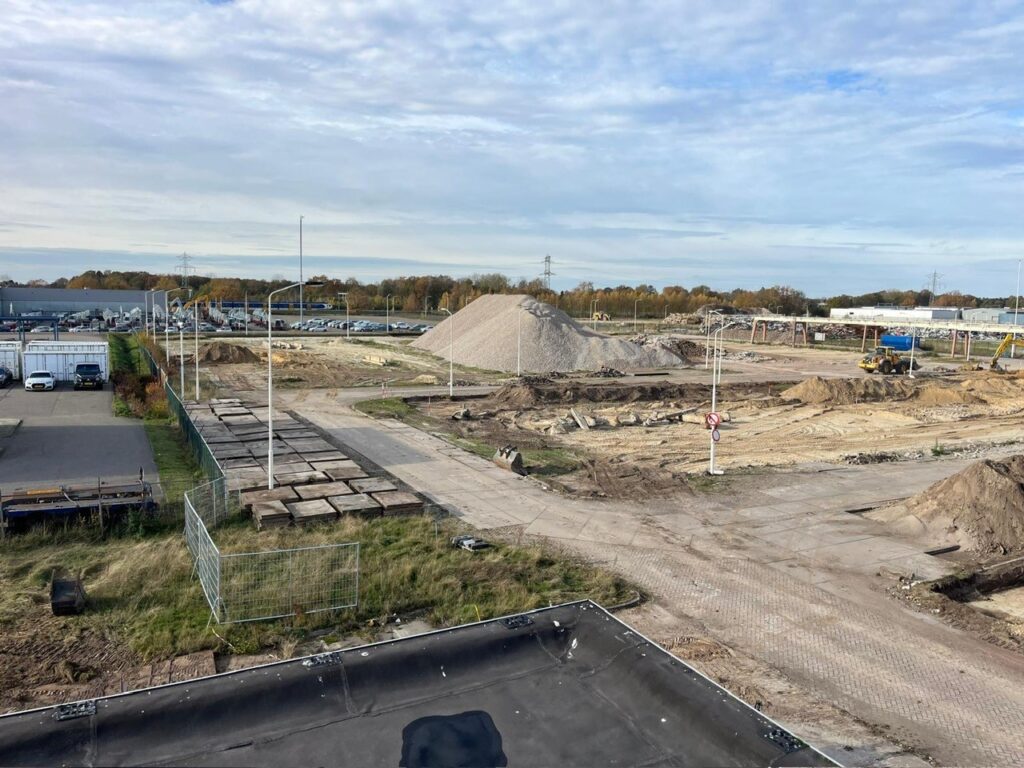
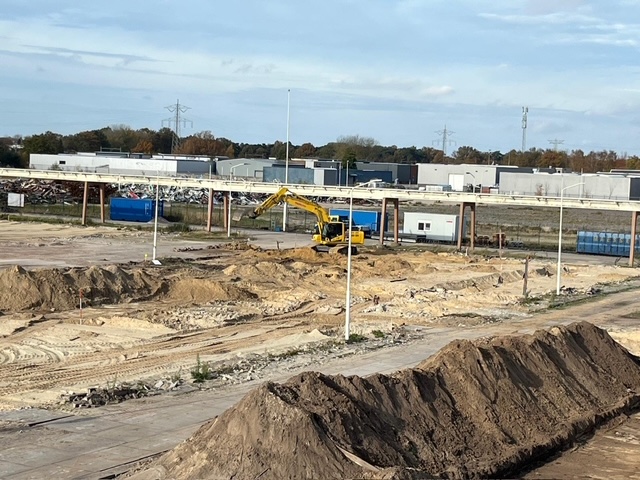
Work commenced fairly quickly after the agreement was signed. During the execution of the work, the client also carried out additional soil investigations. This resulted in smaller excavation contours than originally planned, meaning that less contaminated soil had to be transported to the cleaner. This resulted in considerable savings for the client.

Sewer system

There are various sewers on site that need to be removed. This includes part of the sewer that contains asbestos, which we have removed in accordance with the applicable regulations.

Planning

In the first week of December, the drainage system was installed and the groundwater purification system was delivered and mobilized. The work will be completed in January.
Soil remediation at Eindhoven site by Verhoeve Nederland

Published January 27, 2026

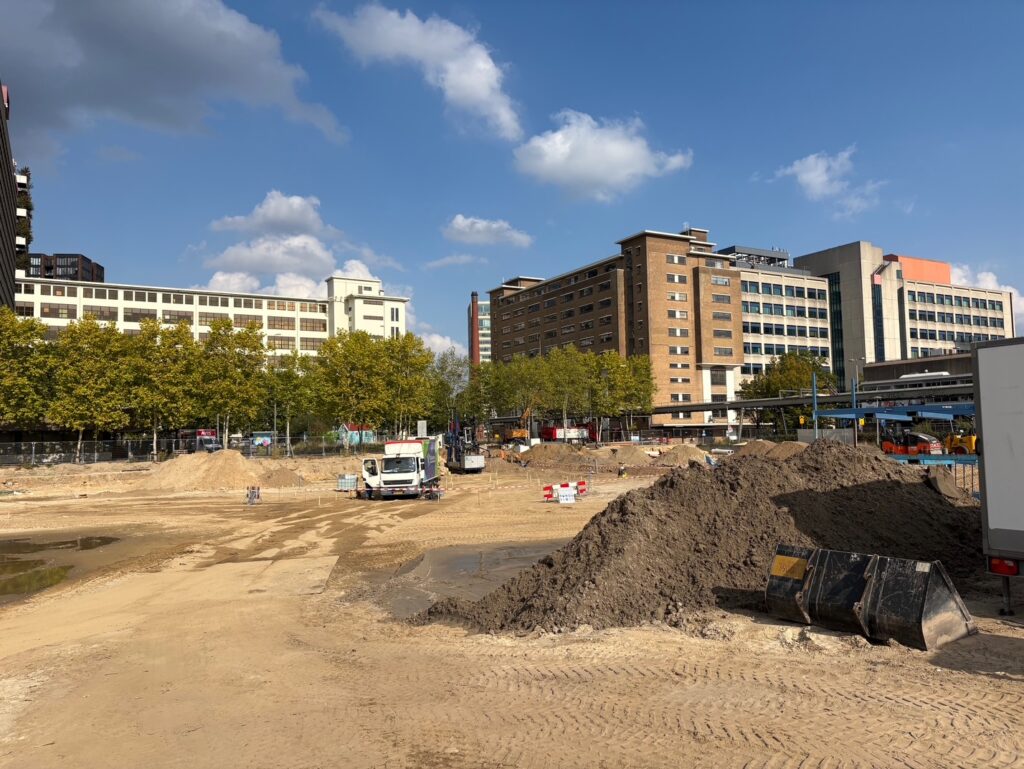
The site is located in an inner-city area in Eindhoven that is undergoing extensive redevelopment. Prior to the new construction, Verhoeve Nederland was asked to carry out soil remediation using direct push injections.

Contamination situation

The area to be remediated covers 4,100 to a maximum depth of 20 m below ground level and is contaminated with VOCL. The total volume of soil to be treated is 33,000.

Remediation measures

The work consisted of performing 418 direct push injections to a maximum depth of 20 m below ground level, with a distance of 5 meters between each injection. A total of 29,000 kg of EHC substrate containing nutrients and bacteria was injected to accelerate the chemical reduction of the VOCL and sulfate present and to stimulate biological degradation. 

These quantities, in particular, posed the greatest challenge for the project given the short timeframe of 12 weeks for implementation. Verhoeve therefore deployed multiple teams and multiple injection techniques simultaneously. 

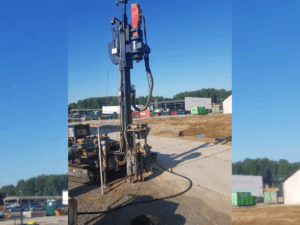
During the execution, highly compacted sand layers proved to cause a lot of friction, which presented a number of technical challenges. Drill bits had to be replaced regularly because they were damaged, as shown in the photo below. 

Planning

Due to the urgent nature of the project, work commenced immediately after the contract was awarded in the last week of September 2025. The site was cleared immediately before the 2025/2026 Christmas break. The project was completed in 10 weeks thanks to the deployment of multiple teams and machines. 

In parallel with the injections, careful coordination of the work phases enabled the construction contractor to start work on the K&L infrastructure.

Soil remediation Elnor Haacht commissioned by OVAM

Published Oct. 30, 2025

A soil remediation project at Haacht was commissioned by OVAM. Electric motors have been manufactured on the site since 1916. Contamination with VOCl occurs in the solid part of the soil and groundwater. This contamination is due to the former use of degreasing baths. 

Implementation of soil remediation

The soil remediation was carried out as part of demolition and new construction of the existing warehouses. Here, the production processes continued on site, and close cooperation with the general contractor of the demolition/new construction project was necessary.

At the level of the source plot, soil remediation was performed by in-situ bioremediation of the core zone. Bioremediation is the process of using microorganisms to break down contamination. Prior to in-situ bioremediation, an intensive soil air campaign was carried out. Carbon source injection to stimulate the microorganisms was carried out through direct-push injections over an area of about 1,500 m². Injections were made in different zones over an injection trajectory between 2.0 m-mv and 12.0 m-mv.

Results and follow-up

After completion of the injections and during the construction of the new warehouse, about 10 fixed injection filters were installed as backup. Meanwhile, the 1st monitoring results are known, which show a clear decrease in contamination. No more violations of the clean-up values are observed. The total duration of the soil remediation work is estimated at five years.

Contact

For more information, contact project engineer Michaela Soeters (+32(0)471812351 or m.soeter s@verhoevemw.com) or project manager Wil Brabers (+32(0)473174269 or w.brabers@verhoevemw.com).

Verhoeve conducts PFOS pilot at Leeuwarden Air Base

Published March 20, 2025

Soil contamination occurred at the former fire department training site at Leeuwarden Air Base due to the use of fire extinguishing water containing PFOS. PFOS is a harmful substance belonging to the PFAS group. The fire extinguishing water leaked into the soil for years and was inadvertently drained through the existing underground drainage system into the adjacent Jelsumer Faert.

Investigation into cause

The Wetterkip Fryslan came across the pollution during research prior to dredging work in the canal. After extensive investigation, the cause was found at the air base. The surface water at and around the base was found to be contaminated with extremely high concentrations of PFOS. The link to the base was quickly established.

The "Leeuwarden Air Base" site is among the most PFOS-contaminated sites in the Netherlands. Besides Leeuwarden Air Base, several other defense sites are contaminated with PFOS. Mainly caused by firefighting foam.

Pilot implementation and collaboration

Because of its expertise in dealing with PFOS-contaminated sites, Verhoeve Netherlands was asked by Rijksvastgoedbedrijf (RVB) to participate in a construction team. Together with consulting firm WSP from Leeuwarden, which had already conducted the soil investigation at the site, a plan of action was made for the implementation of a pilot.

Phased implementation

Given the extent of the contamination and the necessary well abstraction requiring prior treatment of the PFOS-containing groundwater, part of the relatively easily accessible source was removed first, referred to as phase 1 (pilot). The pilot was established with the goal of gaining knowledge to address the remaining more extensive contamination (phase 2).

The goal is multiple. How is drainage and treatment of PFOS-containing groundwater possible? What flow rates are released? What is the quality of the deep and shallow groundwater? What is the impact of stress drainage on surrounding infrastructure? What is the best purification technique of the PFOS-containing groundwater and to what concentrations can the PFOS in the water be purified back?

Commissioned by RVB, Verhoeve conducted a test with PFOS-containing groundwater from Leeuwarden Air Base at its test facility in Dordrecht late last year. During this test, different types of aqueous activated carbon were tested on a lab scale from which a best available type emerged that was applied during the pilot.

The pilot conducted has gathered vital information that will be used to scale up the approach for the remaining contamination (Phase 2) later this year. But also to PFOS remediation elsewhere in the Netherlands or abroad.

Applied technique implementation pilot

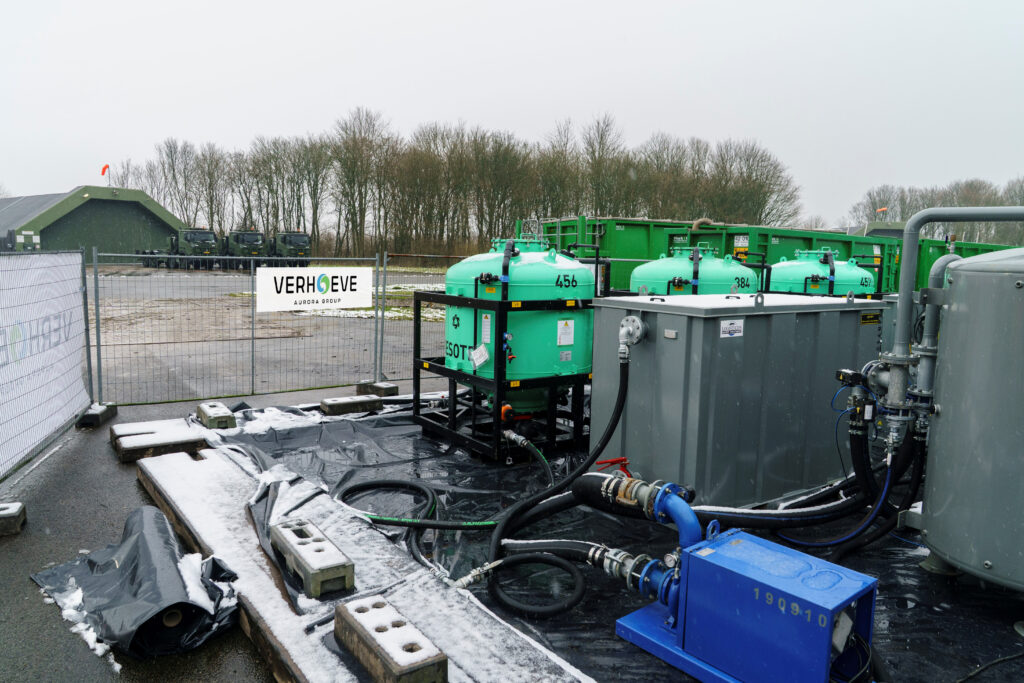
The PFOS-containing groundwater was pumped up from various layers by means of open and vacuum (tension) pumping, which were previously determined to be concentrated from previous research. The water was stored in large buffer tanks. The initial concentration of the water was determined beforehand. Tests were carried out with this water. The water was cleaned in "batches" by serial sand and activated carbon filtration. After passing each treatment step, water samples were taken to monitor the effect. In cooperation with WSP and Verhoeve, a final report will be drawn up which, as already mentioned, will serve as input for the implementation of phase 2.

Discharge requirements water

Wetterskip Fryslan has always been involved in the design and implementation of the pilot test. In consultation, the monitoring plan has been expanded with additional parameters for better insight into the operation and result of the treatment. The results of the pilot are part of the Wetterskip's consideration in setting the discharge standards for phase 2 of the remediation. For more information, please contact Jan Henk Schuurman 06-12 96 60 57.

Soil, water and air testing facility

Published March 11, 2025

Verhoeve Netherlands has a well-equipped test facility. Here we perform tests on soil, water and air for application in soil remediation, but also for process water treatment in sectors such as "food" and floriculture. We focus on the removal of contamination, pathogens, odor and color. This makes the test facility an important pillar of the activity of Verhoeve and other companies within the group of companies to which Verhoeve belongs.

We conduct the tests for customers who require insight into removal techniques in their specific application. The tests range from simple beaker tests to full-scale pilots from which the design parameters for the full-scale application are derived. Pilots are carried out at our test facility in Dordrecht, but if desired also at the customer's site.

Based on the tests carried out in 2024 and their translation, we were able to provide a full scale solution for, among others, 2 deodorization plants at a compound feed plants, 2 water treatment plants for the removal of heavy metals and PFAS respectively, and a specific disinfection issue for an ornamental horticulture food solution. The plants for this application will be installed by Verhoeve in 2025.

Featured: Decolorization

Liquids do not always have the desired color for their application. Sometimes there is too little transparency for UV treatment, sometimes the color is unattractive for further application in the food chain. Ozone can be a solution for this. After all, ozone has excellent decolorizing properties.

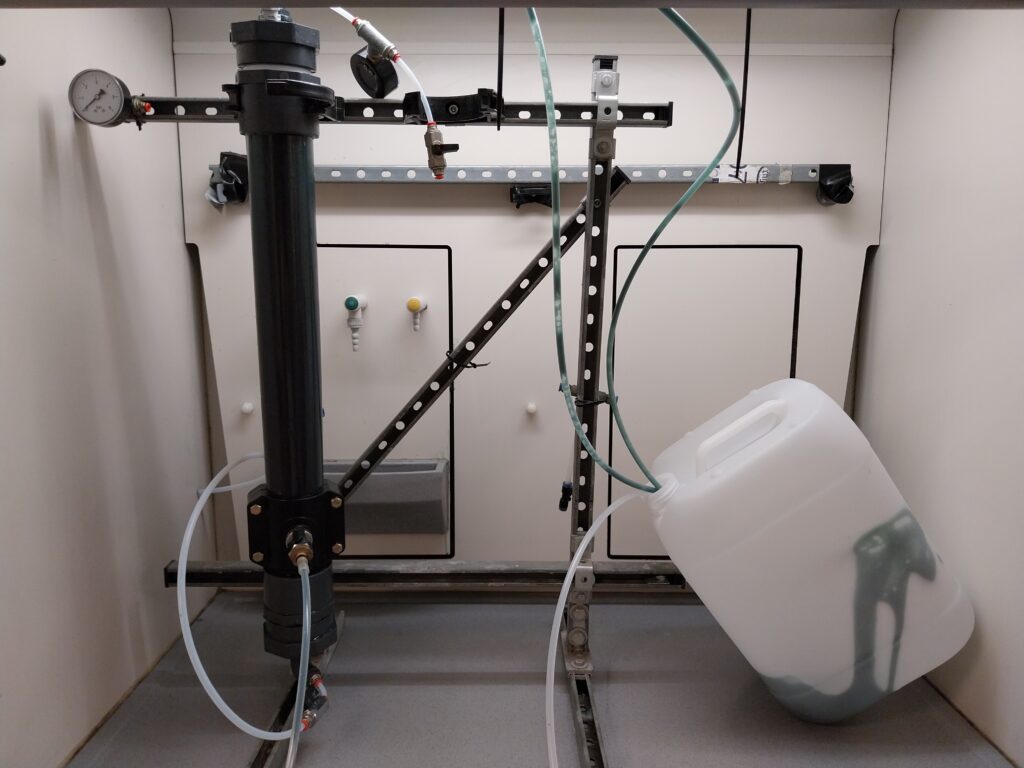
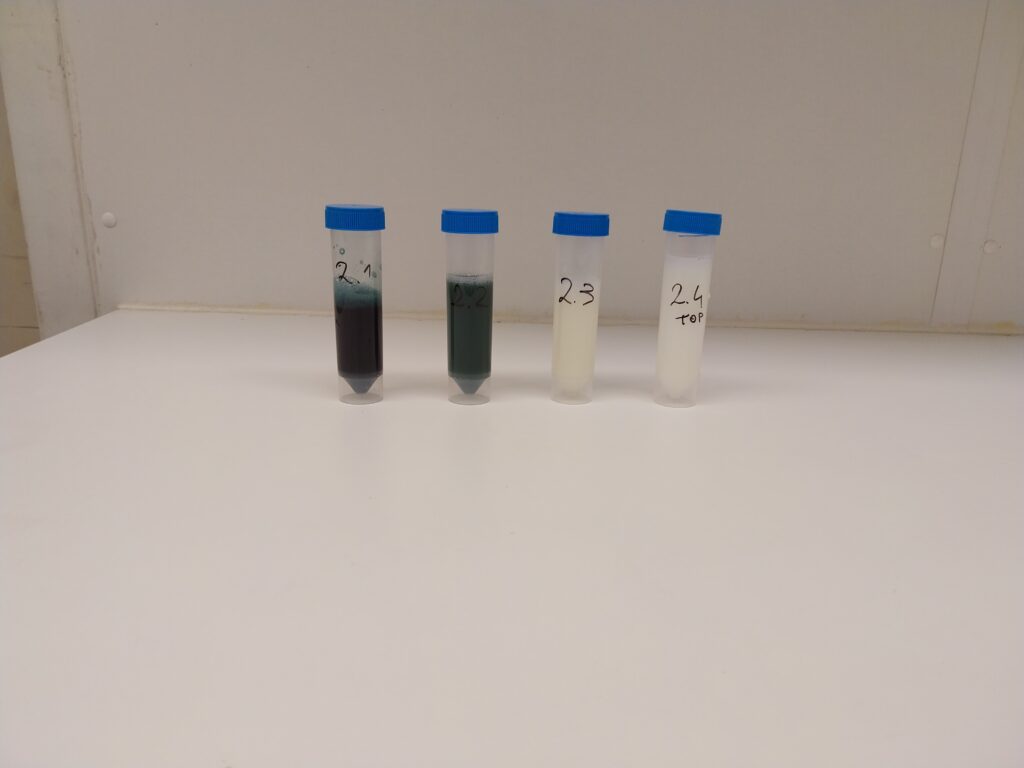
With this fact in mind, Verhoeve's R&D department set to work. Over the past few months, a large number of tests on various liquids have been carried out on customer demand. In these tests, the decolorizing effect was confirmed. The photo below shows the results of a test with decolorization by ozone in the food sector. During the treatment, the color decreased from dark blue-green to milk-white.

Our customer is very enthusiastic about this result and in April we will conduct a pilot test for this on a larger scale. If you are also looking for a good method for liquid decolorization, or another challenge in the treatment of process water, please contact Verhoeve's R&D department. Contact person is Edward van de Ven, senior consultant(06-51864919).