Biological soil remediation of Fenol at Moerdijk

Published Sept. 29, 2025

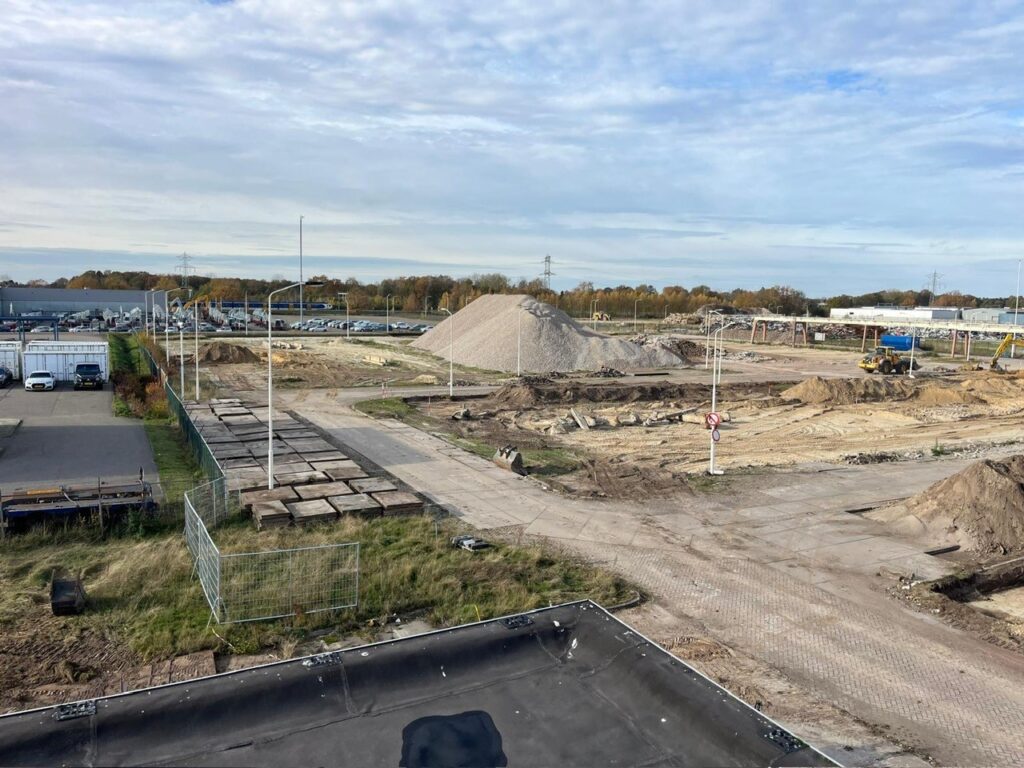
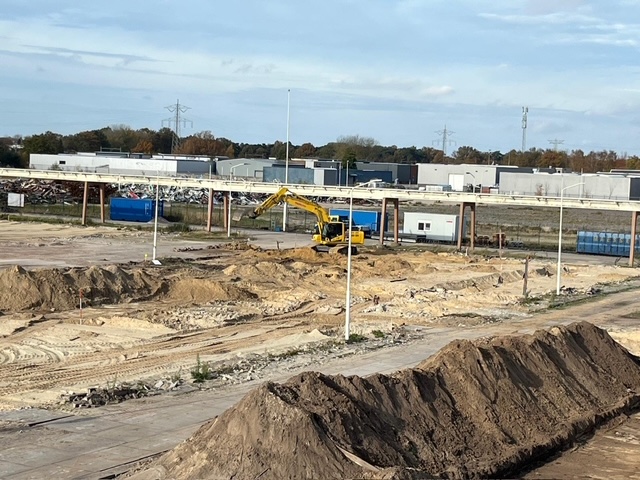
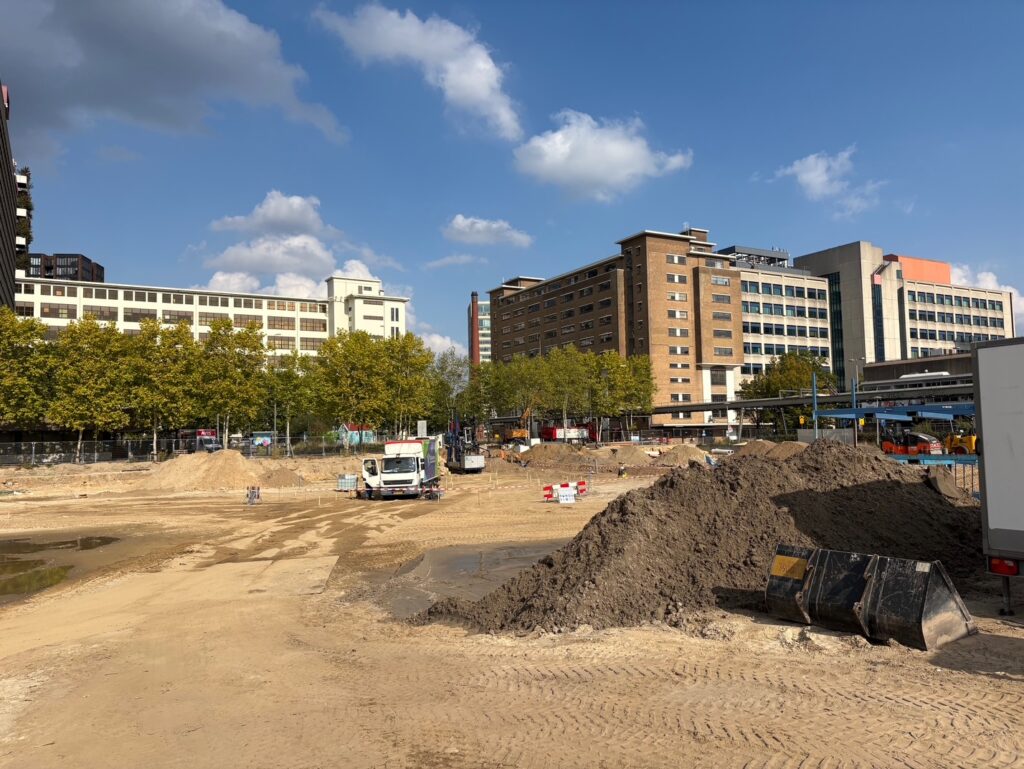
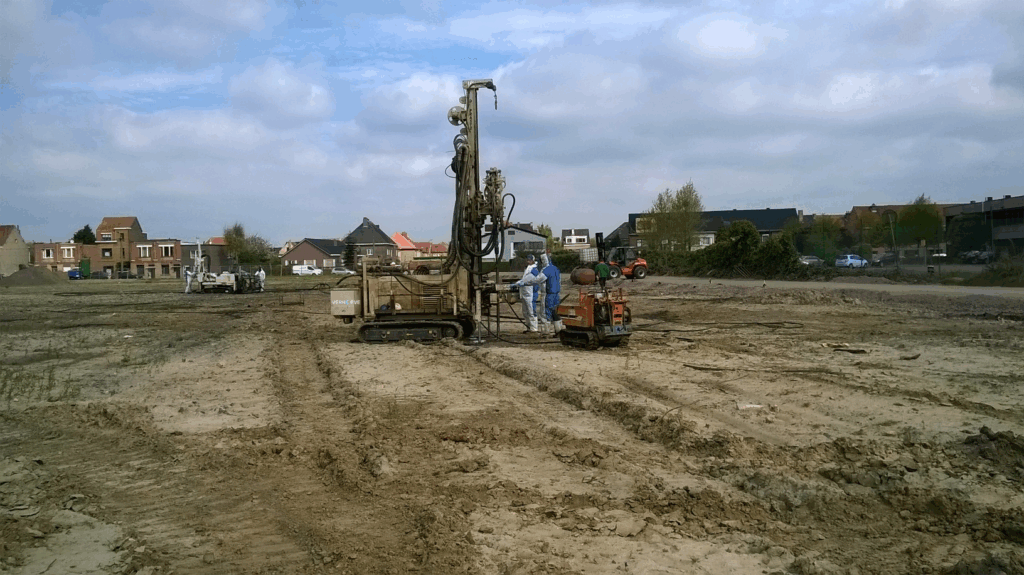
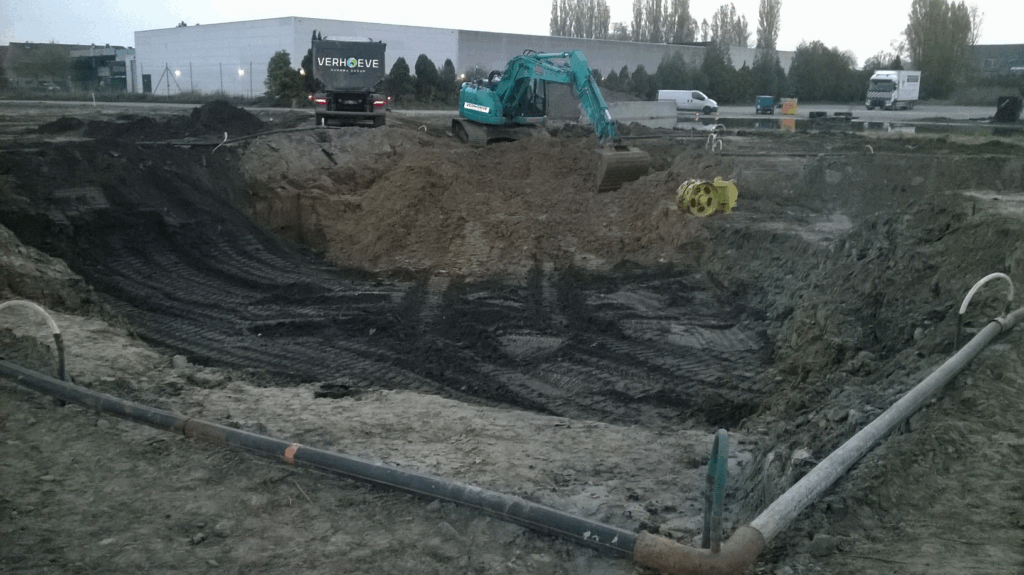
At an industrial storage site at Moerdijk, Verhoeve removed phenol contamination using an in-situ method during the period 2023-2025. Both implementation and process monitoring were part of the work.

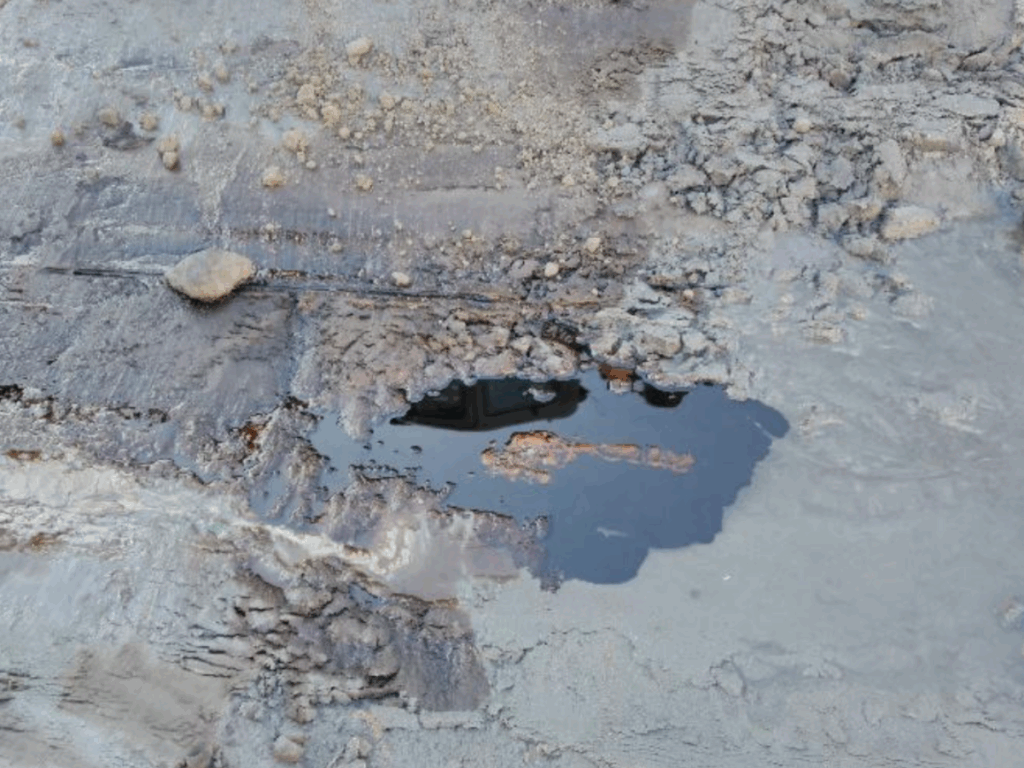
It involved phenol contamination in soil and groundwater from a recent spill. The spill had resulted in phenol being deposited on and in the soil, with locally solidified product present. The contamination was mainly present in the shallow soil layer up to about 3.5 m-mv. In total, 1,250 m3 of soil and 5,000 m3 of groundwater were contaminated. The maximum phenol concentration detected was 10,000,000 µg/l. The presence of company infrastructure prevented removal by excavation and Pump & Treat. To prevent the contamination from spreading further, a management system consisting of Pump & Treat had been put into operation by third parties. The pumped up groundwater containing phenol was temporarily collected in buffer tanks and disposed of by axle at high cost.

Prior to construction, Verhoeve demonstrated by means of a laboratory test in its own test facility in Dordrecht that the contamination could be removed biologically well aerobically. Based on this, Verhoeve drew up a design and Plan of Action. After approval of the Plan by the competent authority, the remediation operation was started.

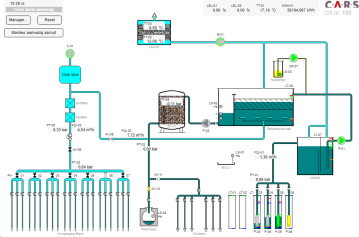
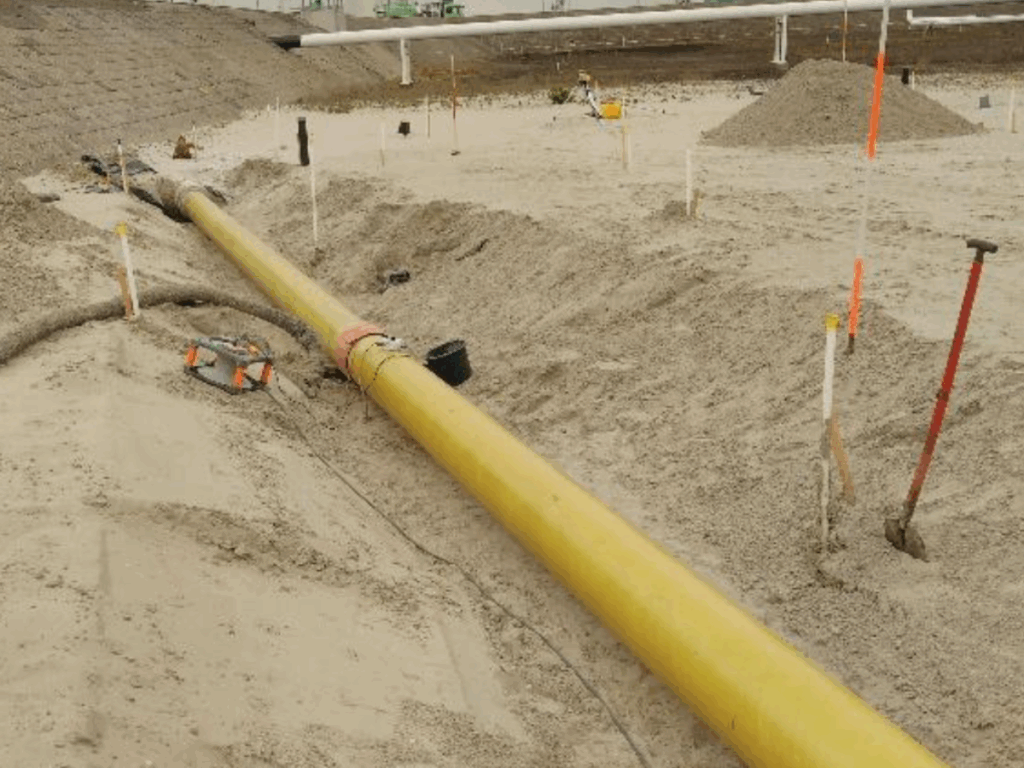
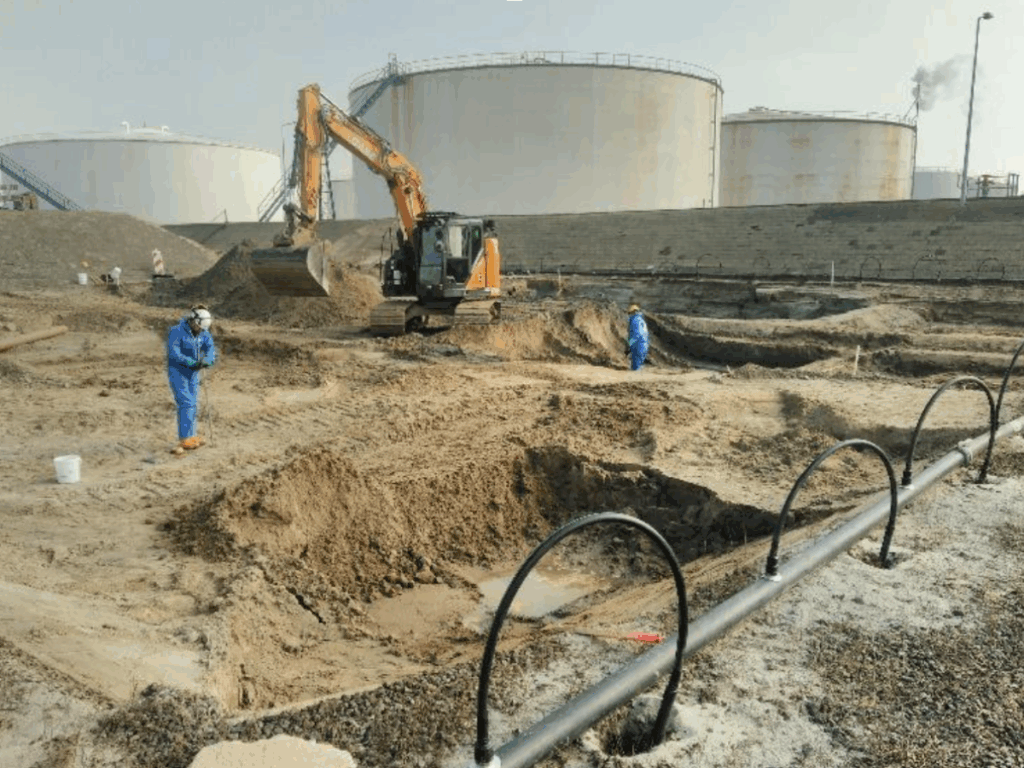
Biological remediation consisted mainly of administering oxygen, nutrients and bacteria to the soil to facilitate aerobic degradation in the soil. Biosparging filters were installed for oxygenation. A groundwater circulation system (the 3 existing deep wells from the containment and 13 additional infiltration drains) with an above-ground aerobic bioreactor was installed for the administration/dispersal of nutrients and bacteria in the soil.    

During the implementation of the remediation, additional phenol contamination was found in places, where it did not appear to be present during the investigation. At these locations, the system was expanded with additional filters/drains, which were connected to the existing system. For this, the system was designed to be sufficiently flexible and robust.

Beforehand, 2 years of remediation was planned to remove the remediation target. Despite the additional contamination found, we were able to remove the contamination to the agreed remediation target within this time frame (2023 - 2025).

Contact

Do you have any questions? Please contact Jeroen Schoovers(j.schoovers@verhoevemw.com or +31(0)6 2255 2057).

Large-scale cleanup of petrochemical site

Published June 23, 2025

At a petrochemical site in the Rotterdam port area, Verhoeve Netherlands is currently remediating a large-scale oil / aromatics contamination in soil and groundwater. Much of our proverbial "toolbox" is being used to complete this job.

The unsaturated zone is remediated by compartmentalized excavation and external soil cleaning. Subsequently, the pure product present (in the form of a floating layer) is removed by multiphase extraction (MFE).

Once this bulk is removed, post-treatment of soil and groundwater takes place through groundwater extraction, biological above-ground stimulation and subsequent infiltration of treated water provided with nutrients. In addition, simultaneous biosparging takes place to further stimulate aerobic degradation in-situ. The set of techniques will remain operational until 2030.

This project is also characterized by limiting inconvenience and seeking combination benefits by making "work with work." Simultaneously with the soil remediation work, we are realizing a sewer renovation (GRE sewer) and tank dike renovation.

Contact

Do you have any questions? Please contact Jeroen Schoovers(j.schoovers@verhoevemw.com or +31(0)6 2255 2057).

Verhoeve performs groundwater remediation at former Gijzenrooi landfill site Eindhoven

Published June 20, 2025

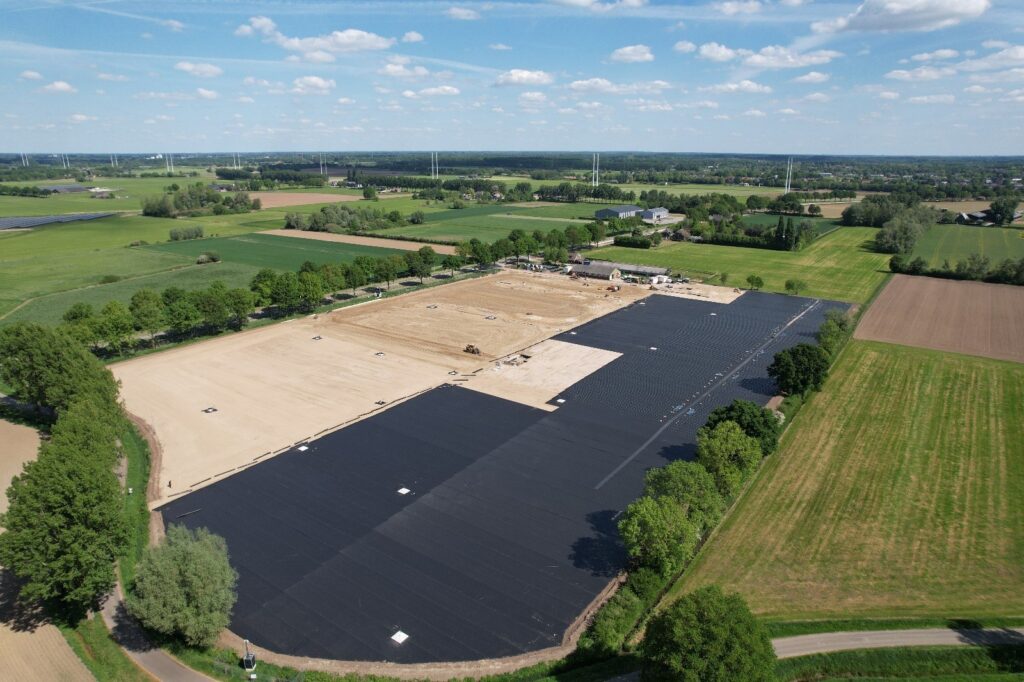
In the southeast of Eindhoven in the hamlet of Gijzenrooi is a former landfill site. Waste was dumped at this site in the past by nearby industries. The dump material consists of house waste, demolition waste, waste oil and chemical waste, including paint residues and solvents. As a result, the groundwater in the plume has become contaminated over the years. Several years ago, the landfill material was rearranged to a limited extent within the landfill and the landfill was provided with a sufficiently thick cover layer of clean soil. The site is located in a difficult-to-access natural area which makes equipment accessibility challenging.

Addressing VOCL contamination.

Groundwater quality has been monitored annually since 2011. Recent groundwater monitoring showed that achieving the agreed stable final situation is not feasible with groundwater monitoring alone. It proved necessary to fall back on a fallback scenario. The fallback scenario consists of two components:

1. Address the source of solvents in the landfill so that solvents are no longer dispersed from the landfill. 

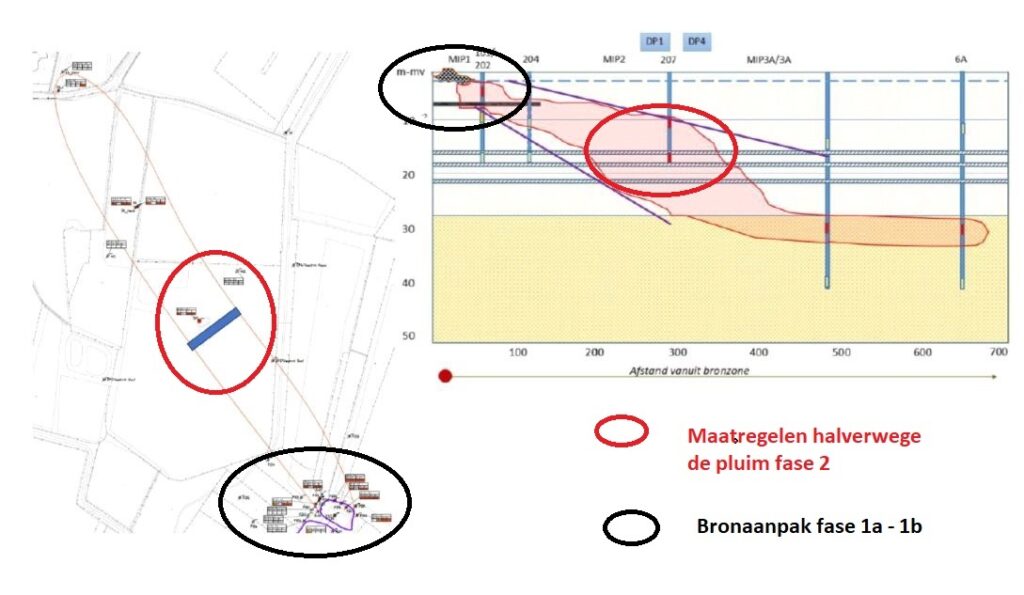
2. Halfway up the plume to optimize solvent degradation conditions and stimulate degradation.

Implement source approach (1a)

Work began early this year to remove the portion of the landfill from which the contamination in the groundwater plume originated. The purpose of this measure is to prevent secondary delivery of contamination from the landfill to groundwater.

Stimulate anaerobic degradation near the landfill (tap closed) (1b)

The purpose of stimulating anaerobic biodegradation is to prevent groundwater contamination from causing long-term recharge to the plume zone. In the area near the landfill with the highest concentrations, anaerobic biodegradation is stimulated.

The approach adopted was grid-wise direct injections to 10 m -mv for the purpose of anaerobic degradation/chemical reduction to terminate subsequent delivery of contamination to the plume. Distributed over an area of approximately 650 m2, zero-valent ferrous organic substrate was injected with bacterial graft.

Supplemented by verification of the process of occurrence of optimal degradation conditions for chlorinated hydrocarbons and decreasing concentrations. Carried out by periodic sampling of groundwater monitoring well filters in the treated area.

Measures midway through the plume (2)

A remediation measure is currently being devised by Verhoeve Nederland together with Royal Haskoning DHV and the client, the Municipality of Eindhoven, and will soon be implemented. The goal is to achieve effective cargo removal in the plume zone in order to realize a stable contamination plume with more certainty in the long term. In line with the source approach, direct injection has also been chosen here, but now in the 20-30 m-mv zone. Simultaneously with the monitoring of the source, the plume will also be monitored in the coming years.

Leveraging market expertise

Give Verhoeve a soil problem or research question and we will look for a solution. In this project, too, we worked with the client to find the best technique with the best value for money. We are good at that, so challenge us!

Contact

Do you have any questions? Please contact Jan Henk Schuurman(jan-henk.schuurman@verhoevemw.com or +31(0)6 1296 6057).

Lab testing for the purpose of water treatment design

Published May 26, 2025

Verhoeve not only builds water treatment plants, but can also play a role in the preparation in determining the starting points for the treatment. We are regularly asked to provide solutions to challenges in water problems. A small selection of these projects:

  • A new factory site requires significant drainage. The water to be extracted is contaminated with heavy metals (cadmium and zinc) and has a low pH of 4. Verhoeve was engaged by the company to devise a suitable solution to meet the discharge requirements;
  • An existing Ultrafiltration plant at a Dutch grower in Africa keeps clogging up, despite multiple settling and pre-filtration steps. Stable operations are hampered as a result. The exact cause is unclear. Verhoeve was asked to first determine the cause and then offer a solution.

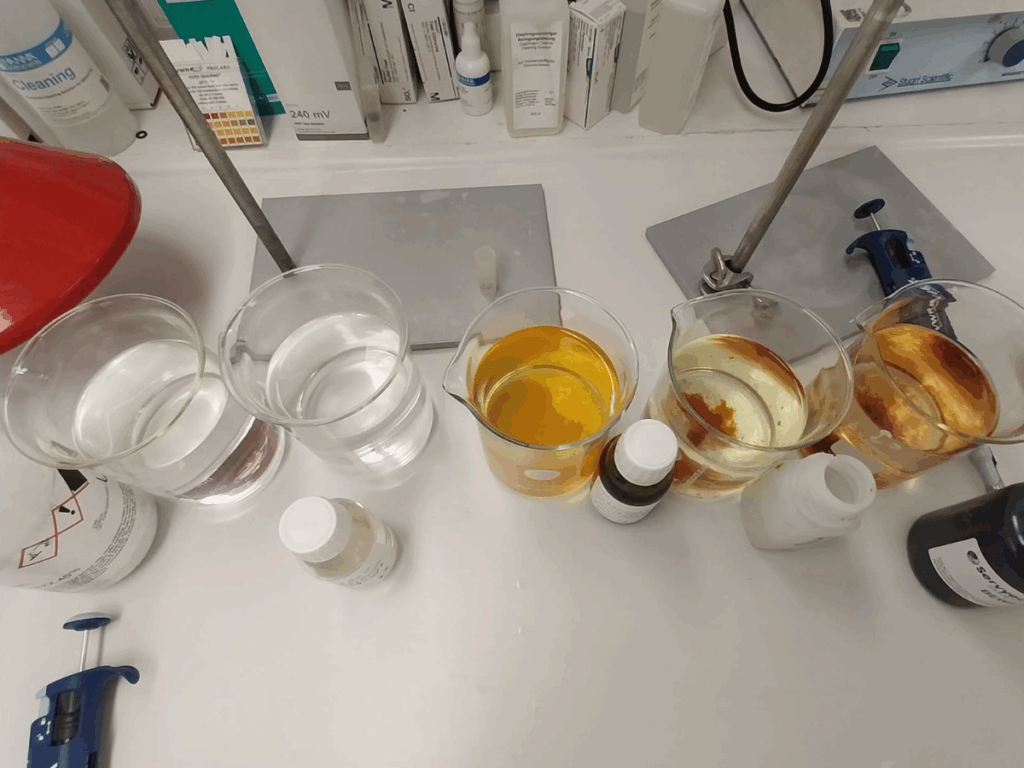
Verhoeve has a testing facility for such issues. For the former project, the new plant site, several tests were conducted with representative water samples. These tests focused on filtration with and without the addition of various additives at different concentrations. The additives include pH correction, coagulant and flocculant.

Attached below is a picture of water with different additives in the tests performed.

Findings

Based on such tests, the nature and quantity of products to be added was determined. For the drainage water contaminated with heavy metals, the concentration of heavy metals before and after treatment was of course also examined. The findings have since been translated for this site into a design for a full-scale water treatment plant with a capacity of 70 m3/hour.

Contact

We can imagine that you have questions, but perhaps you have a problem of your own as described here. If so, please contact Edward van de Ven,(e.vd.ven@verhoevemw.com, +32(0)483270932)

Facilities sewage treatment plant at Lommel (Belgium)

Published May 24, 2025

Verhoeve Belgium performs a wide range of activities. For example, we recently performed work on behalf of Aquafin at the sewage treatment plant in Lommel in Belgium.

Cover influent basin

Part of the work involved installing an aluminum cover over the influent basin. The purpose of the cover is to limit nuisance to the surrounding area. From the point of view of safety, the cover was made overflowable, and fitted with a handrail, access ladder and access hatches.

Buffer

Another part of the work involved making facilities in the buffer itself. The purpose of these facilities is to better enable future work in the buffer from an ergonomic point of view. For example, safety ladders and intermediate landings were installed, as well as additional access hatches. In the future, installation parts can now be reached in a better way and lifted out of the basin if necessary.

For more information, please contact Toine Donkers, project manager(t.donkers@verhoevemw.com, +32(0)48 3475 809)

Groundwater treatment plant in Hamme, PFAS removal in groundwater

Published May 22, 2025

The client for this project is Besix Unitec. Besix is currently carrying out work on utility lines in Hamme (Belgium), for which the groundwater level must be temporarily lowered over a distance of approximately 800 metres. The drainage area is located near a fire station, where there is PFAS contamination in the groundwater. In the preparation of the project, it was investigated how the drainage can best take place, and a groundwater purification plant is provided for the execution.

Removing PFAS from drainage water

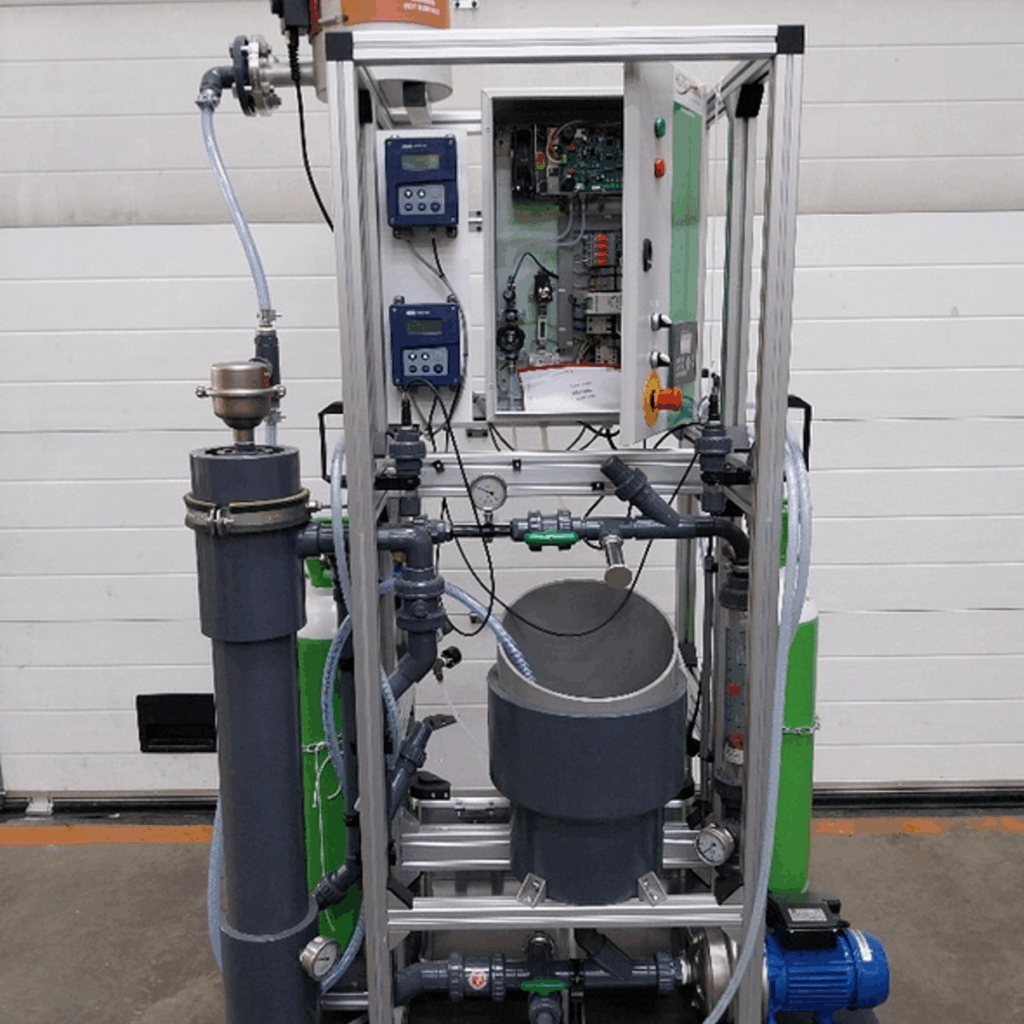
Verhoeve Belgium takes care of removing the PFAS from the drainage water. To this end, a groundwater treatment plant has been built with a capacity of 50 m3/hour. This installation consists of several buffers, a sand filter, 2 activated carbon filters (connected in series) and a central control cabinet. The total installation can be read out remotely and adjusted if necessary.

Good results

The groundwater treatment plant has been running for some time now and the results are more than satisfactory. The entire plant is expected to be in operation at the site for about 8 months.

To learn more about this project, or if you have any questions please contact Jonas Wittocx, project engineer(j.wittocx@verhoevemw.com, +32(0)48 3270 932)

Solving odor problems with ozone

Published May 20, 2025

The Netherlands, like other countries, has many companies that emit unpleasant odors. Examples include the animal feed industry, food industry, sludge composting, slaughterhouses, rubber industry, etc. Verhoeve Nederland works together with its sister company Agrozone Europe BV to help companies significantly reduce their odor emissions so that the surroundings are no longer affected.

Ozone technology for odor treatment

To solve odor problems, we use our specialization with ozone technology. Odor treatment with ozone is a variant of cold oxidation. This is one of the most powerful techniques available today.

Pilot odor test

To determine the amount of ozone needed to remove unpleasant odors, we can perform an odor test as a pilot. In this test we mimic the situation present at the company. With this we can determine what reduction we can achieve and what is desirable for the customer.

An example project where odor nuisance is solved using our ozone technology is the CAVV Zuid Oost Salland site (see photo).

Do you have any questions? Please contact Jeroen Schoovers,(j.schoovers@verhoevemw.com, +31(0)622552057) or Daniel Moesbergen, commercial manager air and odor(d.moesbergen@agrozone.nl, +31(0)642222203).

Verhoeve conducts PFOS pilot at Leeuwarden Air Base

Published March 20, 2025

Soil contamination occurred at the former fire department training site at Leeuwarden Air Base due to the use of fire extinguishing water containing PFOS. PFOS is a harmful substance belonging to the PFAS group. The fire extinguishing water leaked into the soil for years and was inadvertently drained through the existing underground drainage system into the adjacent Jelsumer Faert.

Investigation into cause

The Wetterkip Fryslan came across the pollution during research prior to dredging work in the canal. After extensive investigation, the cause was found at the air base. The surface water at and around the base was found to be contaminated with extremely high concentrations of PFOS. The link to the base was quickly established.

The "Leeuwarden Air Base" site is among the most PFOS-contaminated sites in the Netherlands. Besides Leeuwarden Air Base, several other defense sites are contaminated with PFOS. Mainly caused by firefighting foam.

Pilot implementation and collaboration

Because of its expertise in dealing with PFOS-contaminated sites, Verhoeve Netherlands was asked by Rijksvastgoedbedrijf (RVB) to participate in a construction team. Together with consulting firm WSP from Leeuwarden, which had already conducted the soil investigation at the site, a plan of action was made for the implementation of a pilot.

Phased implementation

Given the extent of the contamination and the necessary well abstraction requiring prior treatment of the PFOS-containing groundwater, part of the relatively easily accessible source was removed first, referred to as phase 1 (pilot). The pilot was established with the goal of gaining knowledge to address the remaining more extensive contamination (phase 2).

The goal is multiple. How is drainage and treatment of PFOS-containing groundwater possible? What flow rates are released? What is the quality of the deep and shallow groundwater? What is the impact of stress drainage on surrounding infrastructure? What is the best purification technique of the PFOS-containing groundwater and to what concentrations can the PFOS in the water be purified back?

Commissioned by RVB, Verhoeve conducted a test with PFOS-containing groundwater from Leeuwarden Air Base at its test facility in Dordrecht late last year. During this test, different types of aqueous activated carbon were tested on a lab scale from which a best available type emerged that was applied during the pilot.

The pilot conducted has gathered vital information that will be used to scale up the approach for the remaining contamination (Phase 2) later this year. But also to PFOS remediation elsewhere in the Netherlands or abroad.

Applied technique implementation pilot

The PFOS-containing groundwater was pumped up from various layers by means of open and vacuum (tension) pumping, which were previously determined to be concentrated from previous research. The water was stored in large buffer tanks. The initial concentration of the water was determined beforehand. Tests were carried out with this water. The water was cleaned in "batches" by serial sand and activated carbon filtration. After passing each treatment step, water samples were taken to monitor the effect. In cooperation with WSP and Verhoeve, a final report will be drawn up which, as already mentioned, will serve as input for the implementation of phase 2.

Discharge requirements water

Wetterskip Fryslan has always been involved in the design and implementation of the pilot test. In consultation, the monitoring plan has been expanded with additional parameters for better insight into the operation and result of the treatment. The results of the pilot are part of the Wetterskip's consideration in setting the discharge standards for phase 2 of the remediation. For more information, please contact Jan Henk Schuurman 06-12 96 60 57.

Evaluation of 10-year management measure

Published March 18, 2025

Well, that 10 years is actually 25 years. Because the company we're talking about started controlling groundwater contamination with zinc on its own property in Brabant around the year 2000. After some time, it became clear to the company that keeping such a system in operation was quite a special job. The flow rate extracted decreased significantly and with it the effectiveness of the control measure.

In 2014, it was really time to intervene, and TAUW and Verhoeve were asked to install and maintain a new system. Since that time, groundwater has been extracted from 8 deepwells, with the water being taken through individual pipes to the plant's water treatment plant.

High iron concentration

The high iron concentration in the groundwater is literally and figuratively an ongoing concern. Every 5 weeks the pumps are cleaned and the pipes are cleaned 2x a year. The wells themselves are regenerated once a year.

But the result is pleasing. At about 300 m3/day, the groundwater contamination is well controlled. This is considerably less than the previously anticipated more than 400 m3/day. Therefore, the flow rate to be extracted was "ex officio" changed from 413 to 300 m3/day in 2020. The graph gives a nice picture of the decreasing flow rate until 2013, and then the average stable picture of the flow rate despite the difficult conditions.

Substantial removal of Zn

It is also important to mention that significant removal of Zn occurs with the management measure. On average about 7.5 mg/l. For the year 2024, that meant a removal of 800 kg of zinc! This makes the system unintentional but certainly welcome actually a hybrid form of an active remediation measure and a management measure.

Unfortunately, the source of the problem cannot be reached in the coming years; the management measure will have to remain in place for the time being.

This article was written is collaboration with Bert Scheffer of TAUW. For more information, please contact Jeroen Schoovers of Verhoeve Netherlands at 06-22 55 20 57.

Verhoeve leading the way in greening Revelhorst

Published March 13, 2025

Soon, Verhoeve Netherlands will move into its new office and industrial hall on the Revelhorst business park in Zutphen. The construction has been completed and we are now working hard to furnish the outside area, offices and company hall. As of April 23, our company will be operational at the new location.

Business park Revelhorst is one of the largest heat islands in the Municipality of Zutphen. Like so many industrial sites, it has a lot of concrete and asphalt and little greenery. The municipality has started a project to green the business park and wants to do it together with entrepreneurs on site. With several other entrepreneurs, Verhoeve took up the gauntlet and made a plan for a green layout of the space around the new premises.

In outline, the measures are as follows:

  • Planting of 6 trees of decent initial size.
  • Instead of fencing, plant approximately 200 m of hedge consisting of native species.
  • A planting box every 4 parking spaces.
  • Construction of a wadi for infiltration of precipitation.
  • Sow with an herbal mixture of the rear yard section.
  • Construction of an office garden.
  • Paths and patio at the Achterhoeks Padvast office garden. A permeable semi-paving.

With the measures, Verhoeve is contributing to a better climate, a boost to biodiversity and a pleasant working environment for employees. Implementation will take place as early as late March/early April.